Some parenting styles are questionable. Most of the time when asked, kids categorize their parents as either strict, lenient or something in between.
On one end of the spectrum is permissive parenting where parents let their children run free and thrive on the extreme laxness and non-existent boundaries that they set. Stuck in the crossfire is authoritative parenting — not to be confused with authoritarian parenting — that lives in the in-betweens of this strict unreasonability and extreme negligence.
Authoritarian is exactly this — on the other end of the spectrum exists the authoritarian parenting style, categorized as this strict, no-nonsense approach to parenting. This usually involves a distinct tension between parents and child that is bred by the stubbornness fostered by authoritarian parenting.
However, there are some cases where even strict is not even the correct word to describe this parenting style. These parents aren’t just strict. They are controlling in every way.
For many, high school is a breath of fresh air from their home life and can act as a figurative playground, especially when most are close to being a legal adult and moving on to college. At least that’s how it should be.
The prospect of unbridled teenage freedom becomes particularly troublesome for the high school students whose parents are fervent disciples of this parenting method.
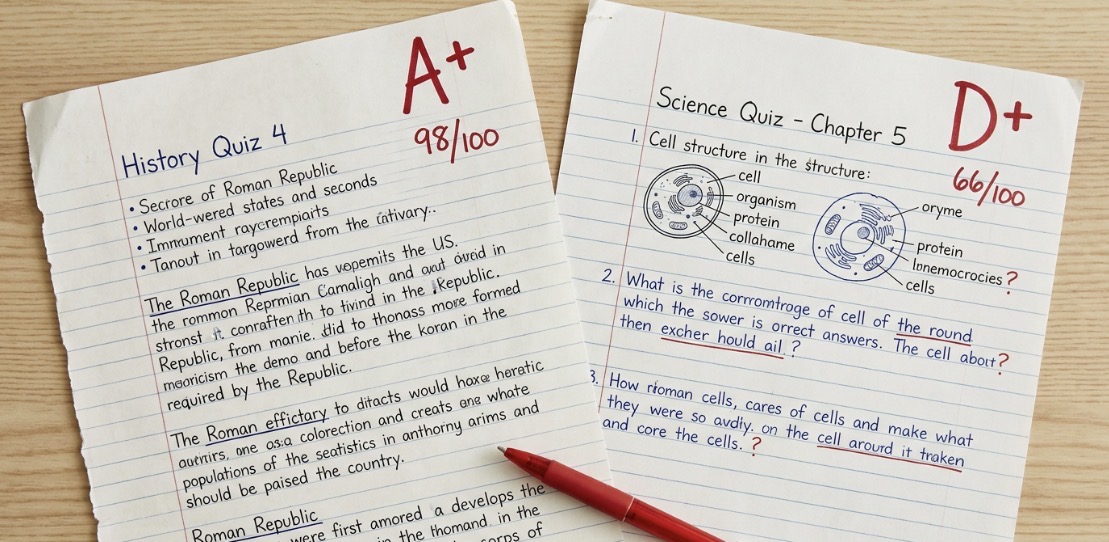
From the moment their parents knew that their child existed, they started planning what they had to do to be successful in their eyes. And as these children grow up, they are forced to follow the birthright their parents have set out for them. No excuses.
Authoritarian parents choose what schools they must go to, what extracurricular activities they take, what their future jobs must be and it extends all the way down to who they will marry in the future. These are all rules that these children are supposed to follow with a smile on their face.
Though seemingly brutal in its methods, for many parents, it is the best way to ensure a successful future for their offspring, leading with mostly good intentions. But this hinges on a selflessness that authoritarianism doesn’t leave breathing room for.
For many authoritarian parents, the success of their child also means their own success and prosperity, especially when it can mean a blissful retirement in a tropical paradise while their children slave away working for their many means.
Similarly, it can be seen as paying off the debt for everything they have done for their child. Parents pay for their children’s clothes, food, housing, education, miscellaneous expenses and in some eyes, their love — it must all be paid back. Nothing is free in that kind of household.
But being conditioned to succeed not for one’s own gratification but for their parents’ can eventually lead to a set of expectations and issues that undermine any success their parents have set up.
The child eventually feels trapped and caged in a life that isn’t even theirs. Some end up trying to defy everything their parents told them to do whereas others go down a much darker path.
Their mental health deteriorates. Several kids end up having anxiety. And failure becomes the ultimate thing to fear, only reinforcing disappointment and anxiety that could potentially lead to a long-lasting anxiety disorder, or at its worst, depression.
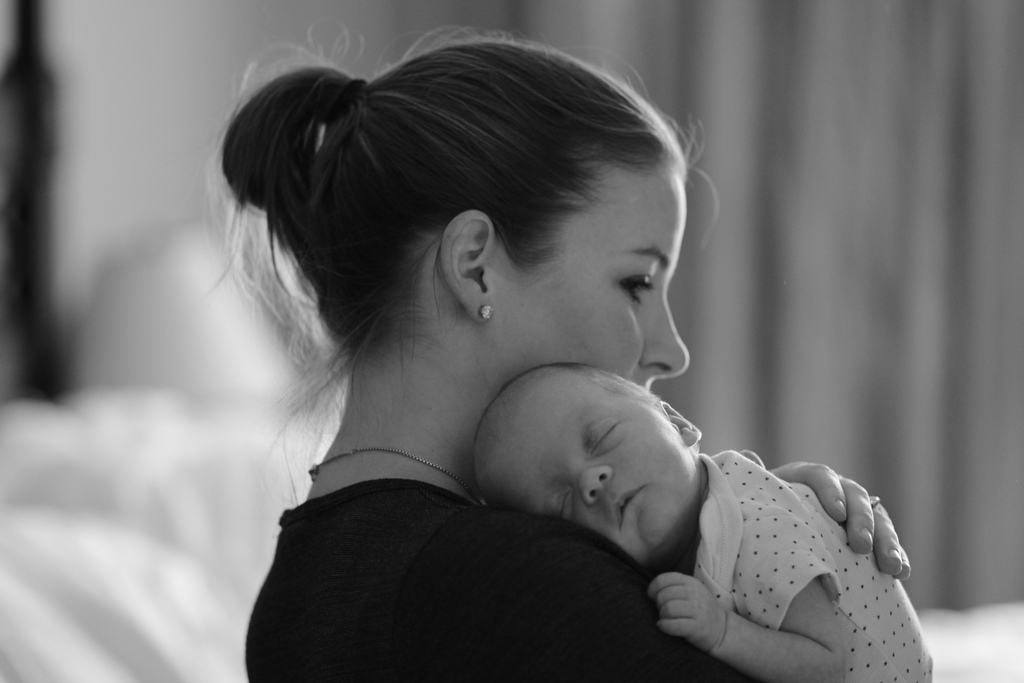
Meanwhile, other kids have insecure attachment. They believe that compliance to their controlling parents equals safety and love — something that every kid needs in the first few months of life. Without actual love and safety, they end up suppressing their own emotions and thoughts to keep the peace between them and their parents.
And instead of growing up to be rule-following favorite, they fall into a sense of rebellion — they become the good kid turned bad because of overbearingness and catastrophic mental consequences.
Authoritarian parenting is not inherently bad or evil or an indicator of maltreatment. But what it brings about in extreme cases, that are already far too common, can destroy a child’s sense of autonomy and motivation to achieve future success — it’s a dangerous juxtaposition that undermines authoritarian parenting as a whole.