Stacks of gray and green pouches sit unused in storage closets across LAUSD. Van Nuys High School and dozens of other campuses gave up on them after a single semester. A new national study released Monday says schools that quit may have given up too soon.
A study released Monday by researchers from the University of Michigan and four other universities looked at how schools changed after using Yondr’s lockable phone pouches.
The study found that the pouches cut down phone use and improved teacher satisfaction, though it did not lead to better test scores, attention span, attendances or less online bullying. It was also found that discipline issues increased at first and student well-being dropped during the first year, though both improved over time.
The results come just before California’s July 1 deadline for public schools to create phone-free policies, raising questions for LAUSD after it allocated $7 million to phone-free equipment.
According to The Los Angeles Times, about 80% of eligible LAUSD middle and high schools chose Yondr using the district’s funding. Van Nuys High School is one of them.
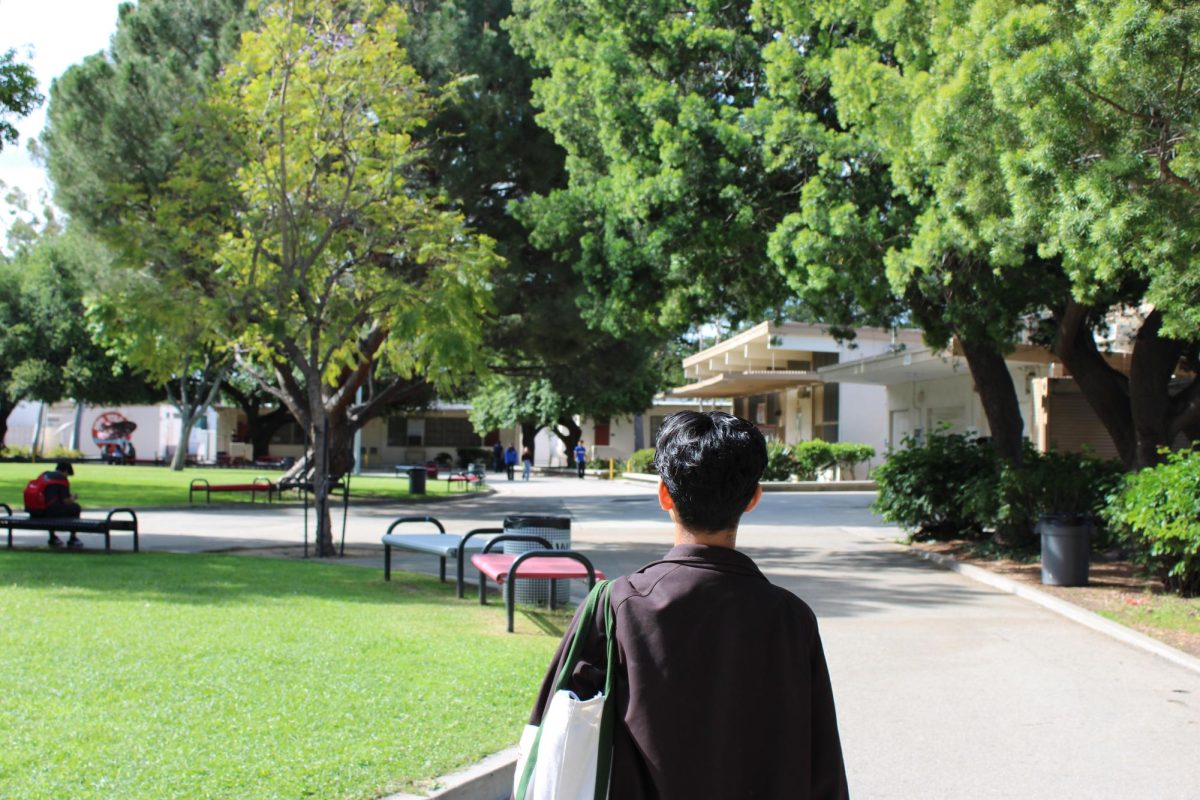
In early March of 2025, Yondr pouches arrived here on campus. Towards the end of the spring semester, many students failed to return the pouches, and the school ended the schoolwide program.
Students here say the pouches were executed badly.
“It was pretty much a non-factor, where students would find ways around the pouches so easily that its intended design fell apart,“ senior Joel Nam said. “The vast majority of teachers certainly didn’t care to spend class time checking thoroughly, which hints at another disconnect between the plan and execution.”
A new study from the University of Michigan used data from Yondr and surveys from 100,000 teachers to compare schools that used the pouches with similar schools that did not.
Researchers found out that schools using Yondr pouches saw a noticeable decrease in student phone use during the school day. According to the study, teachers also reported being more satisfied with their classrooms after the pouches were introduced. The data suggested that the pouches were effective at reducing distractions caused by phones.
However, the study found that the pouches did not improve test scores, attendance, classroom focus or online bullying. Researchers said they were not surprised that the results were limited.
Lead author Brian Jacob said the results were more complicated than many people expected. Even though phone use dropped, the study did not find major improvements in standardized test scores or attention levels.
According to Jacob, there could be several reasons why academic performance did not improve right away. Some students may have become more disruptive when their phones are taken away, leading to more talking and interruptions in class. Teachers also may not have adjusted their teaching methods to really take advantage of the phone-free environment.
The study also found that during the first year of the pouches, discipline problems increased and student well-being got worse. However, both improved in later years.
At Van Nuys, the schoolwide program never made it to year two.
“It was easy to break the lock, buy your own magnet online or put in a calculator instead of your phone,” Nam said.
Teachers who taught through that first semester say the daily friction was real.
“The pouches weren’t quite working. I would find calculators and junk in the pouches after students would return them,” art teacher Jennelle Song said. “If the students don’t have their phone out, they’re either playing games or watching videos on their chromebook.”
The district has not yet announced what it will do before the state’s July 1 deadline. Furthermore, the district did not respond to a request for comment.
Not every LAUSD school gave up on the pouches. At Lennox Middle School in LA, a campus where the rollout proved highly successful, teachers and administrators say the program changed daily life on campus by eliminating phone use, improving student interactions and creating focused classrooms.
“Before the pouches, the phones were constant and overwhelming,” principal Lisset Pichardo said. “Locking them away completely turned our campus culture around.”
At Van Nuys and other schools, most teachers have moved on to simpler systems. AP Government teacher Robert Docter uses a clear plastic wall caddy where students store their phones during class. He said the caddy cost about $10.
Other teachers at Van Nuys never stopped using the pouches. Song, keeps a small supply of Yondr pouches in her closet and locks up students’ phones if they have them out for a long period of time. The schoolwide program ended last spring; the targeted use did not.
“While the core idea of trying to improve student attention and success in the classroom was definitely valuable, this wasn’t the way it should’ve been implemented,” Nam said. “Maybe it can be explored in the future, but it would take major revisions and overcoming the skepticism many people feel following its first failure.”