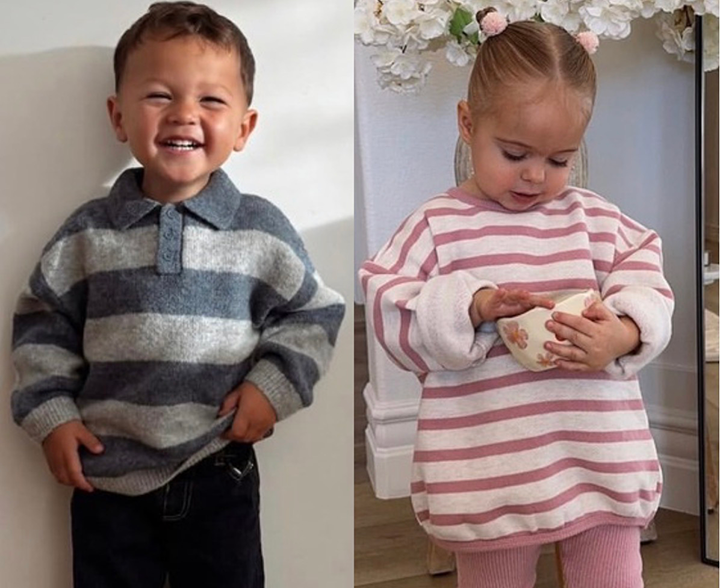
At a young age, nearly every child is introduced to the idea, soon to be burden, of who they should be because of their gender.
Even though these stereotypes and norms have now been around for decades–to the point where parents just brush it off as normal–it doesn’t mean it has to stay that way.
Items, colors and even clothing have all been rebranded and re-conceptualized as gender-specific objects, and it’s all because the 20th century needed a little boost in sales.
This marketing strategy has resulted in new ideas of what are “boy and girl things.”
Many kids today have been raised with these ideas and have become products of what instilling these gender values looks like in the modern day.
In an effort to move from more gender-neutral clothing items and associations, big name retail stores started employing a marketing strategy of gender-coding everything, and in turn, multiplying the demand for separately gendered children’s clothes, toys and accessories.
These ideas wouldn’t be so ingrained in American society and culture if it wasn’t profitable–companies thrive off of these stereotypes.
Mass production of children’s clothes almost always produces reassertion of the commercial gender norms. Clothes marketed towards little girls often have messages like “pretty” or “little girl, big smiles,” whereas boy’s outfits are catered towards lighter messages like “strong” or “little man, big ideas.”
Girls’ clothing always seems to dehumanize them into something less than boys. It portrays them as if their whole personality is about being a dainty, pretty and dumb girl. Boys are reinforced with the opposite ideas–boy’s clothing gives the idea that boys can become so much more than just their looks or worth relative to others.
While clothing companies use their products to almost directly encourage sexism in our daily lives, there are also more indirect ways gender stereotypes influence our daily lives, like how parents normalize these stereotypes when teaching their children.
For instance, parents have been teaching their daughters that it’s normal for a boy to be rude, rough or violent with the infamous saying “boys will be boys.” This common saying is meant to uplift boys by allowing boys to be expressive and playful while inadvertently cementing the idea that girls have a permanent image to uphold
Boys see it where they can do anything they want and still maintain a good image in their community whereas girls are meant to be molded into the perfect, gentle lady.
Planting this idea of restrictive, binary gender stereotypes so early in children’s minds is exactly why sexism not only still exists but is gaining strength everyday.
Most people, or specifically, parents, will argue that gender stereotypes are not something harmful. Gender stereotypes have been around since the hunter-gatherers to the Silent Generation so it comes off as something normal, proper or even necessary. Those who fall out of line are seen as issues because they don’t abide by the unwritten laws about how their gender should act.
But it is vital to acknowledge the fact that gender stereotypes play a crucial role in the unfair treatment of men and women.
Without realizing how gender stereotypes create negative and unfair ideas, future generations will not put an end to unreasonable stereotypes that only damage everyone else. In order to really understand and fix how strict society can be with these stereotypes, the root cause has to be elimination, and it has to start with our children.