Artificial intelligence (AI) has reached nearly every corner of modern life, and there is almost nowhere to hide from it. These sprawling, self-learning machines can be found on Google, social media and countless apps solely dedicated to AI chatbots and image generation.
With every update, AI becomes more capable of acting, thinking and speaking like a human. What remains is an online space where distinguishing what’s real from what’s fake is nearly impossible — and the scope of these consequences is only growing.
Today, AI can be used for practically anything, and many people can’t resist a possibility so enticing. Even celebrities.
Celebrities have begun using AI to create fake propaganda, false depictions of themselves and misleading content directed at their audiences.
AI usage is already at an all-time high, and celebrities embracing it not only creates a morally dubious endorsement, but also shatters the image many people have of celebrity authenticity.
But first, one thing must be established: AI feels human, or at least convincing enough to appear that way.
For example, sometime around April 14th, 76 year-old Ron Williams from Brooklyn, New York, became the victim of an AI-driven scam.
Williams received text messages from an unknown person named Jenny, who claimed to be a 33-year-old woman from Boston. Many of the messages included videos of the same woman, supposedly Jenny, encouraging him to invest in a fraudulent platform.
Persuaded by the videos, Williams agreed and sent over $1.6 million over the course of six months. He never once checked to see where his money was actually going. When he finally attempted to withdraw some of it, he discovered the entire investment had been a scam.
The AI-generated videos looked real and sounded human, leaving WIlliams with little reason to doubt that Jenny actually existed.
Now take that already dangerous tool and combine it with influence. AI-generated images have become a massive trend online, and celebrities have been among the first to capitalize on it.
One of the most controversial examples is the President of the United States himself. Once known for his television personality on “The Apprentice” before his political career and controversial policies, President Donald Trump has spent much of his second term posting AI-generated photos of himself online.
The images depict him in exaggerated and bizarre scenarios: as a pilot dropping sewage onto protestors or as a Christ-adjacent savior understands and heals people.
The latter portrayed Trump placing his hand on a sick man’s forehead as though healing him, surrounded by men and women staring in awe. One woman held her hands together in prayer while, in the background, an American flag waved beside a soaring eagle and the Statue of Liberty.
Another AI image showed Trump dressed in religious robes that he claimed were doctor garments, sparked outrage among many religious viewers.
Though the backlash prompted Vice President J. D. Vance to dismiss the image as “a joke,” Trump immediately took it down. The next day, Trump posted a new AI photo of himself hugging Jesus.
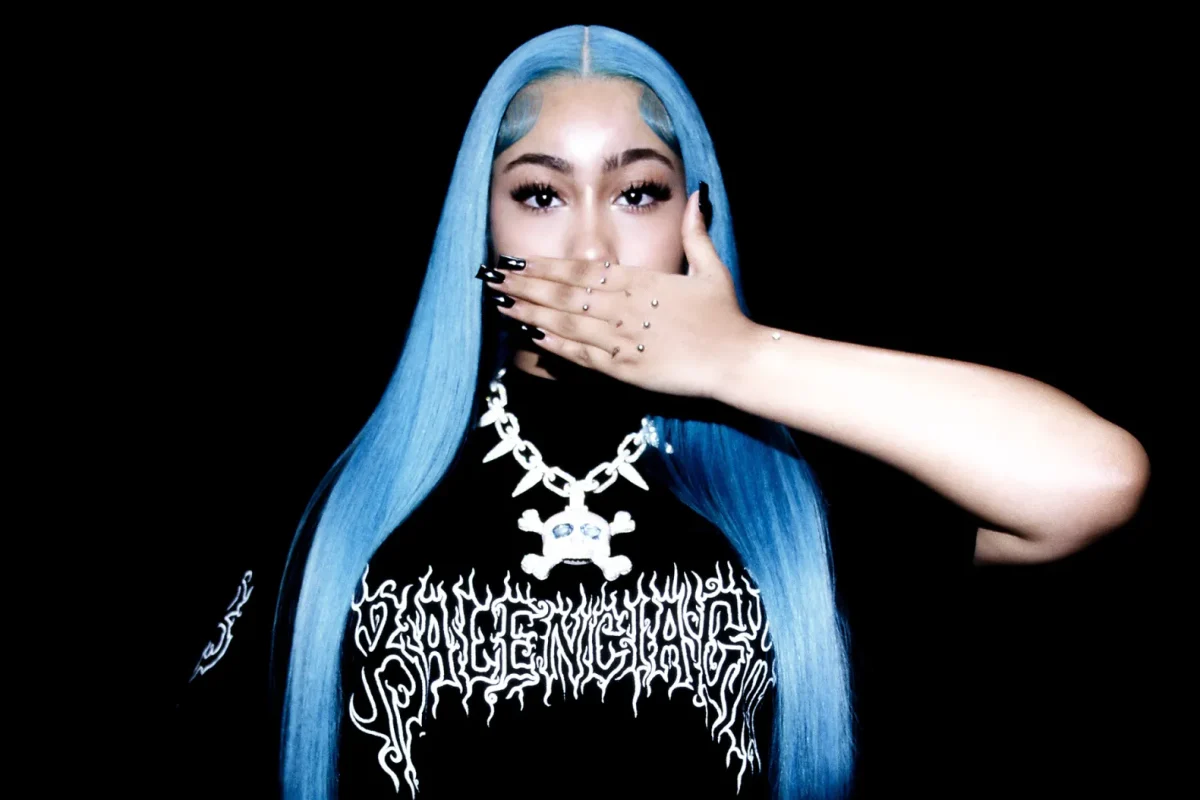
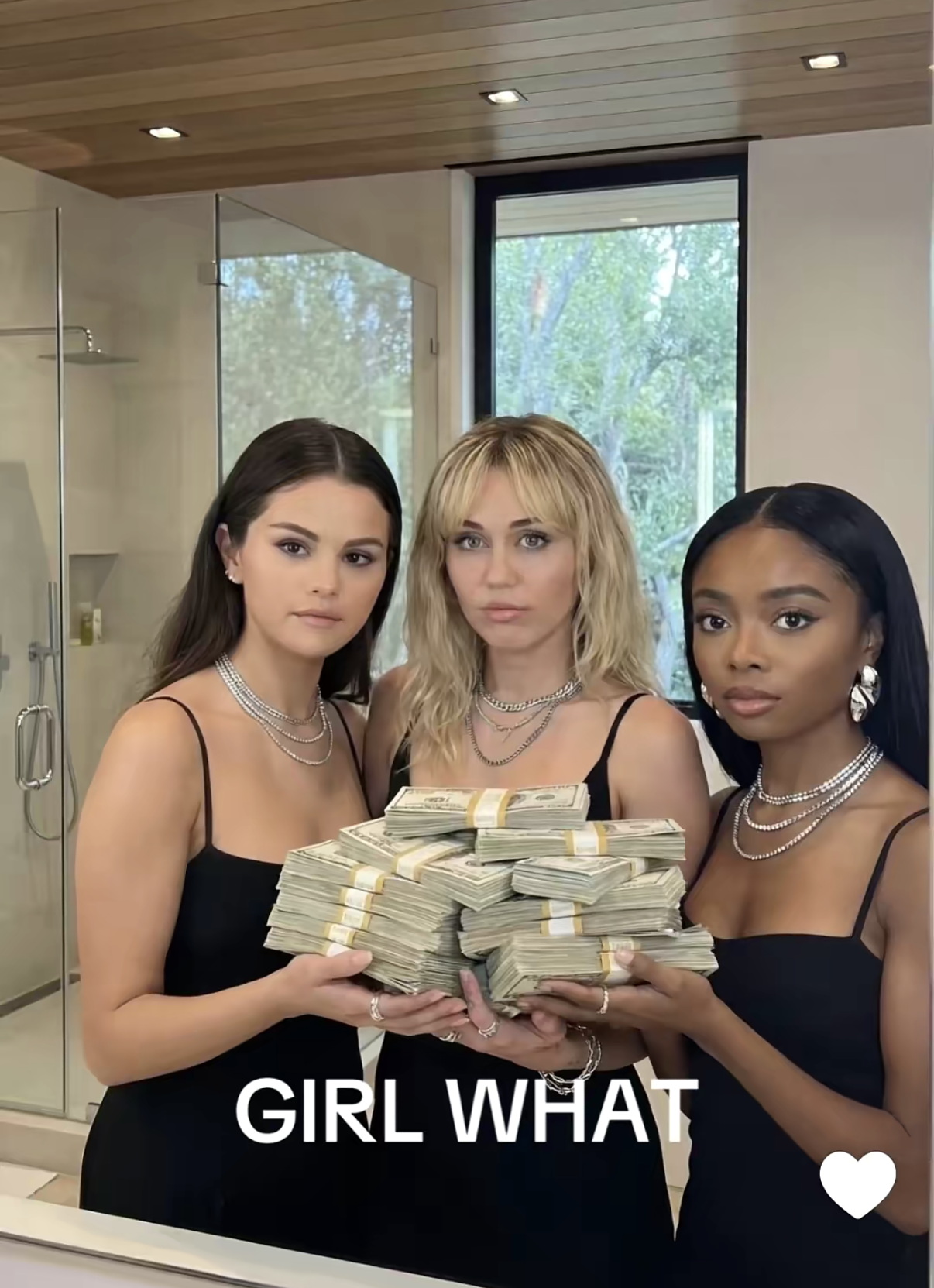
Another celebrity that has received backlash for AI usage is former Disney actress Skai Jackson, who has consistently posted AI-generated images of herself on Snapchat.
The AI photos that she produced are then further edited leaving Jackson unrecognizable in some images. Her misuse of AI has drawn criticism from people online, many of whom have labeled it addictive, misleading or simple clickbait.
On a surface level, all of this seems harmless. AI can be helpful and is considered a semi-reliable tool, even if it includes generation in that definition.
However, just because no one is being physically hurt doesn’t mean the technology itself is harmless. The power AI has demonstrated is enormous, and celebrities wielding that power irresponsibly or deceptively points toward something far more dangerous.
Right now, celebrities are mainly using AI to fictionalize themselves for attention, branding or personal gain. But when other people are included in those fabricated images, it creates depictions they never approved of and never endorsed.
And if celebrities continue realizing just how much influence they already possess, combined with technology as powerful and persuasive as AI, the consequences could become far more serious than fake photos and online clickbait.