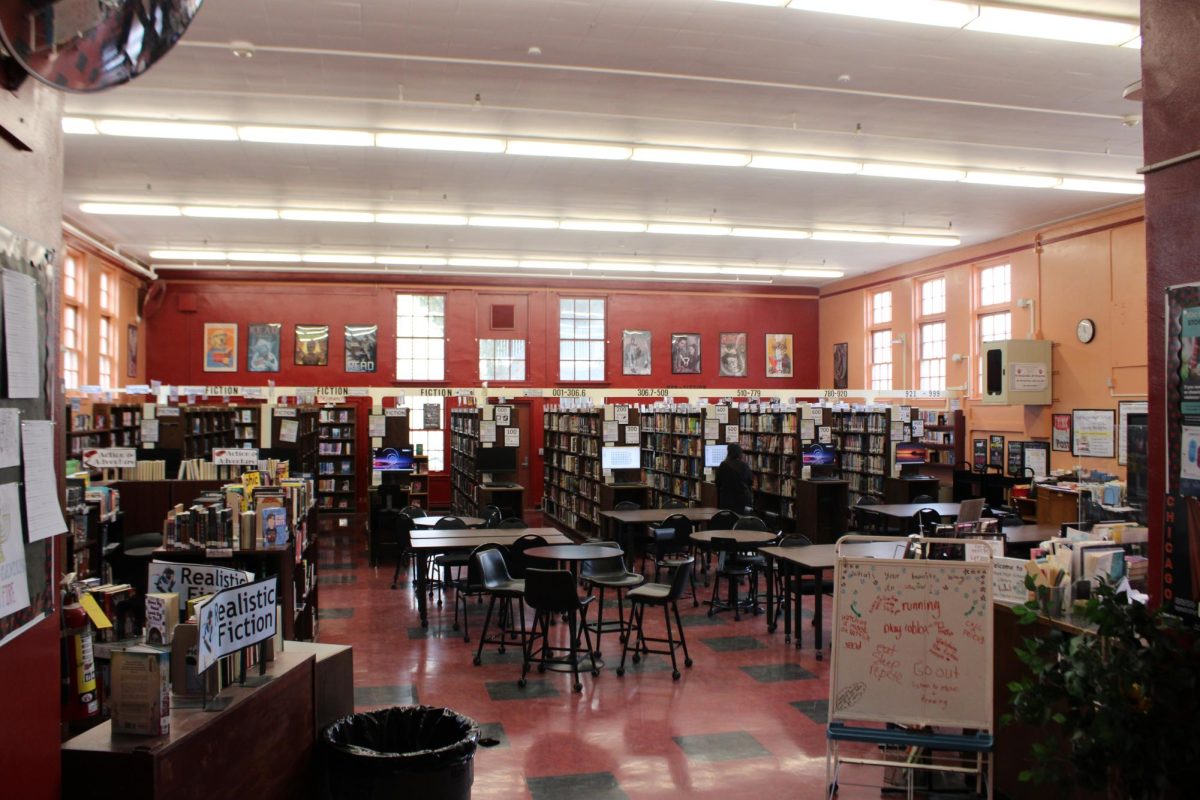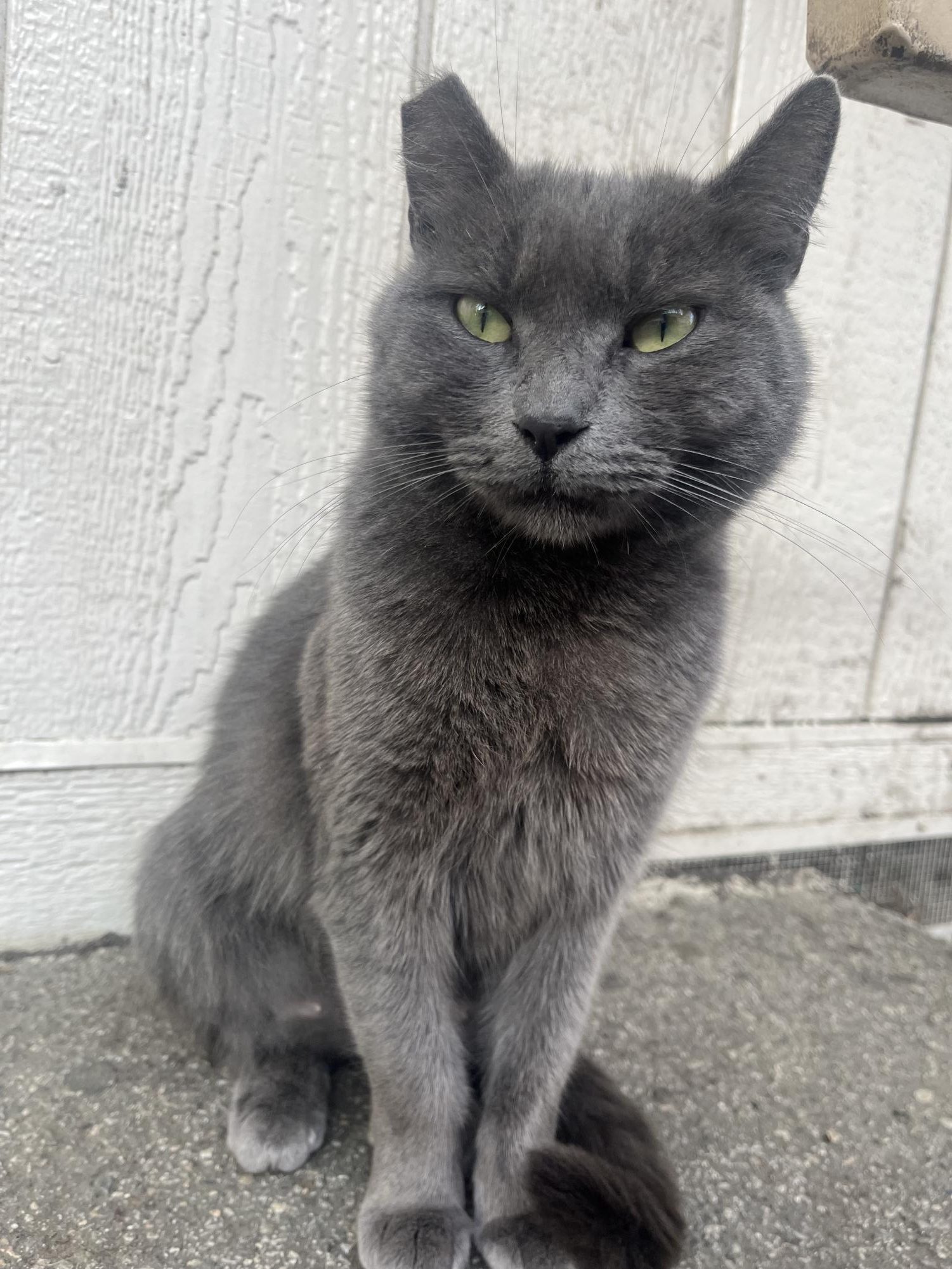
Any student with eyes and ears knows that Van Nuys is a cat haven. Peripheral skitters and faint meows make up the soundtrack that is Van Nuys High School and every so often, they rear their whiskered heads.
But nevertheless, the cats are like our very own urban myth. Testimonies range from seeing some squatting in Ms. Jennifer Kim’s garden to living under the storage containers on the opposite end of campus.
Of the few who have managed to swipe at these stray cats, Coach Maria Renard and yours truly, much with the assistance of animal behavior teacher Ms. Donielle Mitchell, have seen what chaos this overrun population can cause.
And since then, a literal cat chase has ensued. It’s hard not to grow attached to this feline population at Van Nuys, but to prevent a potential ecological disaster, they must be considered our bane — no matter how cute they might be.
The cat distribution system is an internet theory which suggests that instead of pandering to internal adoption or breeders, stray and abandoned cats destine their owners by means of chance.
Renard and Junior Board President Lucea Barte have witnessed this phenomenon firsthand.
Renard’s 1-year old kittens, Luke and Leia, were both sourced from the same litter that had taken up stead here at Van Nuys. Similarly, Lucea Barte’s cat, Tashi, and my cat, Arthur, were both found the morning of the 2026 Senior Sunrise.
I’ve even made it a covert goal to try and round up as many of these stray cats as I can, with minimal success. But that’s only because I know just how damaging unchecked cat populations can be.
And furthermore, this has become a pressing issue for staff like Coach Alejandro Becerra and Coach Andres Sepulveda. In their respective track and baseball field, cat droppings have become a real hindrance.
Maintaining these areas is already hard enough, so when cat feces appear by the dozen overnight, it could sabotage their games and practices.
The Van Nuys feline colony’s successful infiltration is largely due to the abundant resources they currently have access to.
Former resident Van Nuys cat, Dusty, is a prime example of just how easy it is for “whiskers” to thrive. Previously residing outside the 300s bungalows, Dusty the cat was a staple of the student community, allowing himself pets and cuddles freely. However, he was only sustained by the help of teachers and students.
Frequent feedings outside of the classrooms and supplies for the cat maintained its friendly behavior and health, though recently, Dusty seems to have mysteriously disappeared.
Nonetheless, Dusty is a clear example of how these cats survive and repopulate. If not through human intervention, then by exploiting the lunch period to its fullest, capitalizing on discarded food, scraps and dumpster-diving.
And though Van Nuys High School’s campus is far from pristine, it could get much worse. Cat feces are one thing, but the ecological impact of an invading predator population can be immense.
Prey like birds and rodents can quickly be exterminated by the efficient hunting tactics that cats employ, sabotaging the natural environment that keeps Van Nuys a sustainable place. Other effects include attraction of pests, increasingly unsanitary conditions and nuisance behaviors as they continue to breed.
The only logical method to remove this growing, prevalent threat is to apply aggressive force.
Though it might be technically easier, maybe even more ethical, to simply put down the cats, it doesn’t seem right to let kittens who couldn’t choose where they were born succumb to the slaughter.
However, a much more pacifistic and humane method is already widely practiced. Known as Trap-Neuter-Return (TNR), this method has been found to prevent further breeding and stabilizing numbers of feline colonies. By vaccinating and spaying an estimated 75% of cats present, TNR predicts reduced population over time of free-roaming cats.
Van Nuys High is undoubtedly the heart of a “catdemic” and must act to not only stabilize a very real, present environmental and cultural threat, but to keep students and staff from adopting these stray kittens.
Cats are an essential part of the comfort and culture here at Van Nuys, and yet, present as an undeniable catalyst for what biology classes warn about: utter biological collapse.