Junior Kenya Perryman stood in a grocery store checkout line with her family and watched the total climb. By the time the cashier finished scanning, the bill was nearly $500. Her mother swiped her card without a word.
Consumer prices in the Los Angeles metro area have risen more than 20% since 2020, according to the U.S. Bureau of Labor Statistics, with food and transportation among the fastest-rising categories. For students, the increase shows up in grocery bills, gas tanks and the cost of doing anything outside the house.
Perryman says she notices it every time she spends money.
“When I was younger, a McDonald’s meal cost about $9,” she said. “Now even small purchases add up much faster, and it’s something I notice all the time.” The current price stands around $10-$15 for the average meal.
Not only does fast food cost more but the increase in prices seep into average family activities.
“Movie theater food has shot up like crazy,” she said. “Earlier this year, going to the movies with my friend cost about $20 to $23 for chips, popcorn and a large drink. Now it costs around $35, which makes you think twice about spending money.”
The increase extends beyond food.
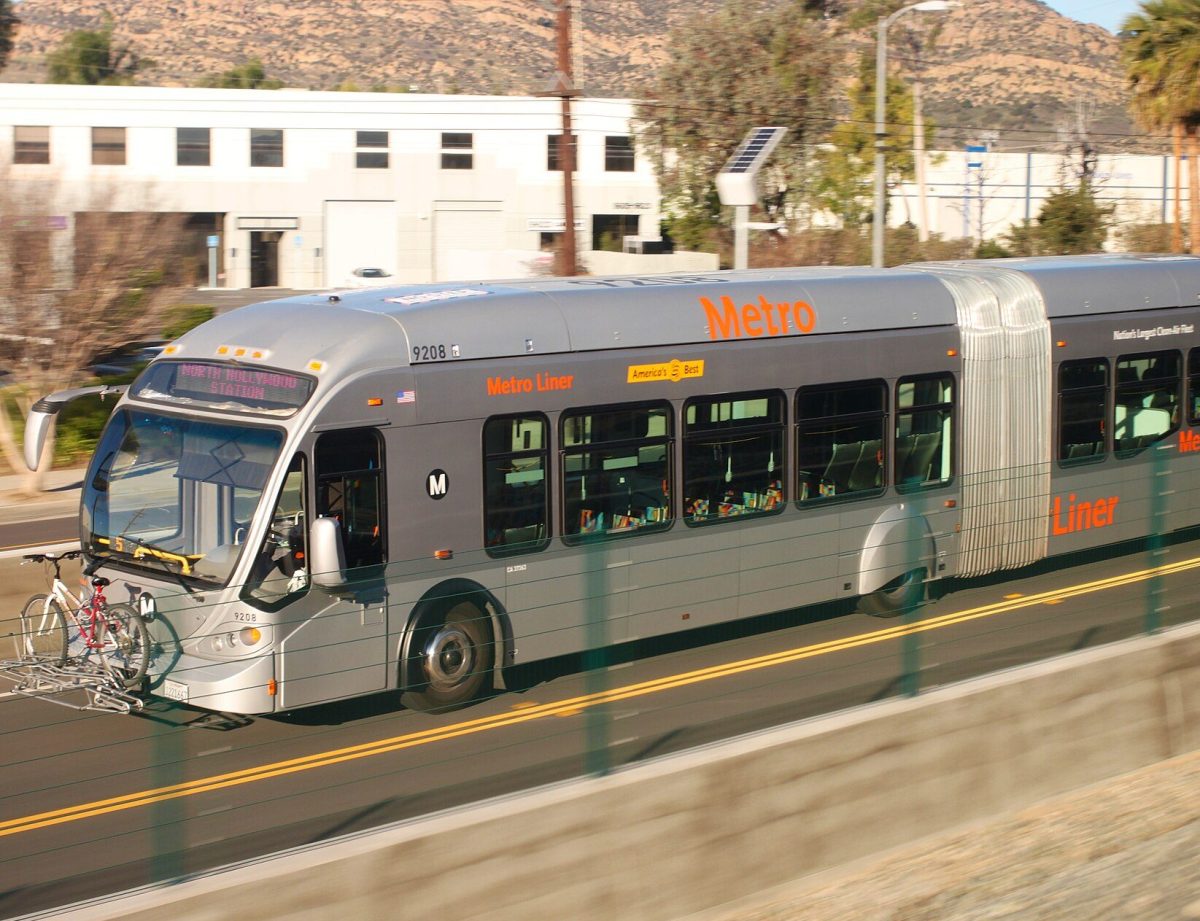
The cost of transportation has risen too. California has the highest average gas prices in the nation, according to AAA.
“The increase in gas prices has affected my family greatly,” Perryman said. “I have three siblings who, like me, are involved in several afterschool activities.”
The squeeze on family budgets shows up in national data. A 2024 Federal Reserve survey found that more than one-third of U.S. households reduced discretionary spending, including dining out, entertainment and nonessential purchases, in response to higher prices.
Senior Ashley Barrales said her family feels the difference at the grocery store.
“Going to the market with just $20 to make dinner isn’t really enough anymore, especially with the size of my family,” she said.
The pressure extends beyond groceries. Barrales said rising rent and gas costs have changed how her neighbors and family get by.
“Rent has gone up, and I’ve seen it affect neighbors and other family members who have had to move farther away to afford housing,” Barrales said. “Gas has also gone up, and even though I don’t drive, my family spends more each week just commuting.”
The reasons prices have climbed so far, so fast, trace back to the early months of the covid-19 pandemic, when the federal government sent stimulus checks and expanded financial aid to keep the economy afloat.
“I think prices are going up because of inflation and inflation is happening because of the tariffs and just the general state of the economy,” Barrales said.
At the same time, factories shut down and shipping slowed, reducing the supply of goods even as demand held steady.
In March 2020, President Trump signed the CARES Act, a $2.2 trillion relief package designed to support families and businesses during nationwide shutdowns. The package included stimulus checks, expanded unemployment benefits and financial assistance for companies. In 2021, President Biden signed the American Rescue Plan, a $1.9 trillion package that included a third round of stimulus checks and extended unemployment benefits.
Together the two laws injected more than $4 trillion into the economy.
Although the relief packages provided support during the crisis, economists say the sudden influx of money helped drive up consumer spending, pushing prices higher at a time when supply couldn’t keep up.
Trade policies also played a role. Since 2018, the Trump administration has imposed tariffs on hundreds of billions of dollars’ worth of imported goods from China. Many of those tariffs remained in place under President Biden, and the Trump Administration expanded them further after he returned to office in 2025. Businesses often pass these higher costs on to consumers.
The Federal Reserve began raising interest rates in 2022, the fastest series of hikes in decades.
A Federal Reserve Bank of St. Louis’ study estimated that tariffs accounted for about 10.9% of inflation in mid-2025.
The Budget Lab at Yale University estimated that higher tariffs could cost the average U.S. household about $2,400 in income this year.
Perryman said she thinks about prices differently now than she did two years ago. Every purchase, from gas to groceries to a bag of popcorn at the movies, comes with a calculation her family didn’t use to have to make.
“Inflation has changed the way I have thought about money,” she said. “The prices for menstrual products have increased over the past three years and it has put a damp in the way my family spends money on said products. I wish they cost what they used to.”
This article originally appeared in the Early Spring 2026 print edition.