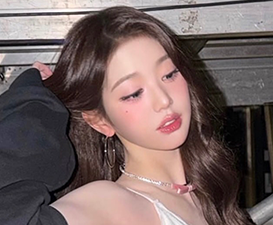
Junior Matt Glassgow first noticed it on TikTok. Fans of K-pop idol Wonyoung are posting videos of everything they ate in a day, which was almost nothing, and calling it “Wongyoungism.”
The idea was to starve yourself until you looked like her.
“Wonyoungism was supposed to uplift and motivate people to be their best selves, but it turned into a toxic group of fans promoting eating disorders,” Glassgow said.
The trend Glassgow described is one visible part of a much larger problem. The K-pop industry’s success comes at the expense of the idols themselves.
Trainees as young as 12 face grueling schedules, strict diets and intense scrutiny from both companies and fans. Mental health struggles, public bullying and physical strain are common, yet largely hidden behind the glamour. And the pressure doesn’t stay in Seoul. Through social media and fan communities, it reaches American teenagers who absorb the same impossible standards.
The pressures begin long before an idol’s debut. Trainees often live in company dorms, separated from family, attending daily training sessions that can last up to 16 hours. Sleep is minimal, rest is monitored and personal expression is restricted.
Every aspect of their appearance, from weight and skin to hair and fashion, is criticized not just by staff, but by fans online. Even the simplest mistakes are publicly amplified.
Han Jisung of Stray Kids has taken breaks mid-promotion because anxiety and panic attacks became unmanageable on stage. The pattern is not unusual. K-pop entertainment companies such as HYBE, SM Entertainment and JYP Entertainment have been widely criticized for providing minimal mental health support.
But it isn’t just the entertainment companies that work harshly. Unfortunately, toxicity is a defining feature of the media attention idols receive.
In 2020, Twice member Jeongyeon took an extended hiatus to treat a spinal injury that worsened from years of training and performing.
Her recovery required months of rest and medication. The medication caused her to gain weight, a common side effect, but fans reacted with cruelty instead of empathy.
Online, she was bullied relentlessly, targeted for her changing appearance rather than recognized for her recovery and return to performing.
Comments ranged from body-shaming to personal attacks, and the public scrutiny compounded the industry pressure she already faced.
Junior Zedd Mavrokefalos believes that the beauty standards of the K-pop industry goes far beyond the stage.
“The K-pop industry puts the idols in positions where they feel that they don’t fit the norms of what’s considered ideal beauty,” Mavrokefalos said. “It’s worse on people our age, where they constantly consume media of these idols practicing these toxic stereotypes.”
For many idols, the cost of success is measured not only in physical strain, empty plates and sleepless nights, but in the fragments of their childhoods left behind.
This article originally appeared in the Early Spring 2026 print edition.