The proliferation of generative and chatbot AI is the new “hip” for high school students.
Ask ChatGPT a simple question and poof! It’s got an answer at the ready. Ask it to write an essay and it’ll have it done in a snap.
Even if students aren’t particularly in tune with AI, it’s found more and more ways into their lives — even Google has taken on the helpful but controversial intelligence to aid anyone who pops in a question. Google AI, ChatGPT and more are the new horizon for academic artillery.
AI wasn’t in the forefront of people’s minds when it produced sloppy, low-quality work, but as it exponentially learns and improves, it’s become a mainstay for controversy. Some say AI should have never been invented while others say that it’s a helpful tool. The fears and benefits that spawned these beliefs can all be seen in a classic high school setting.
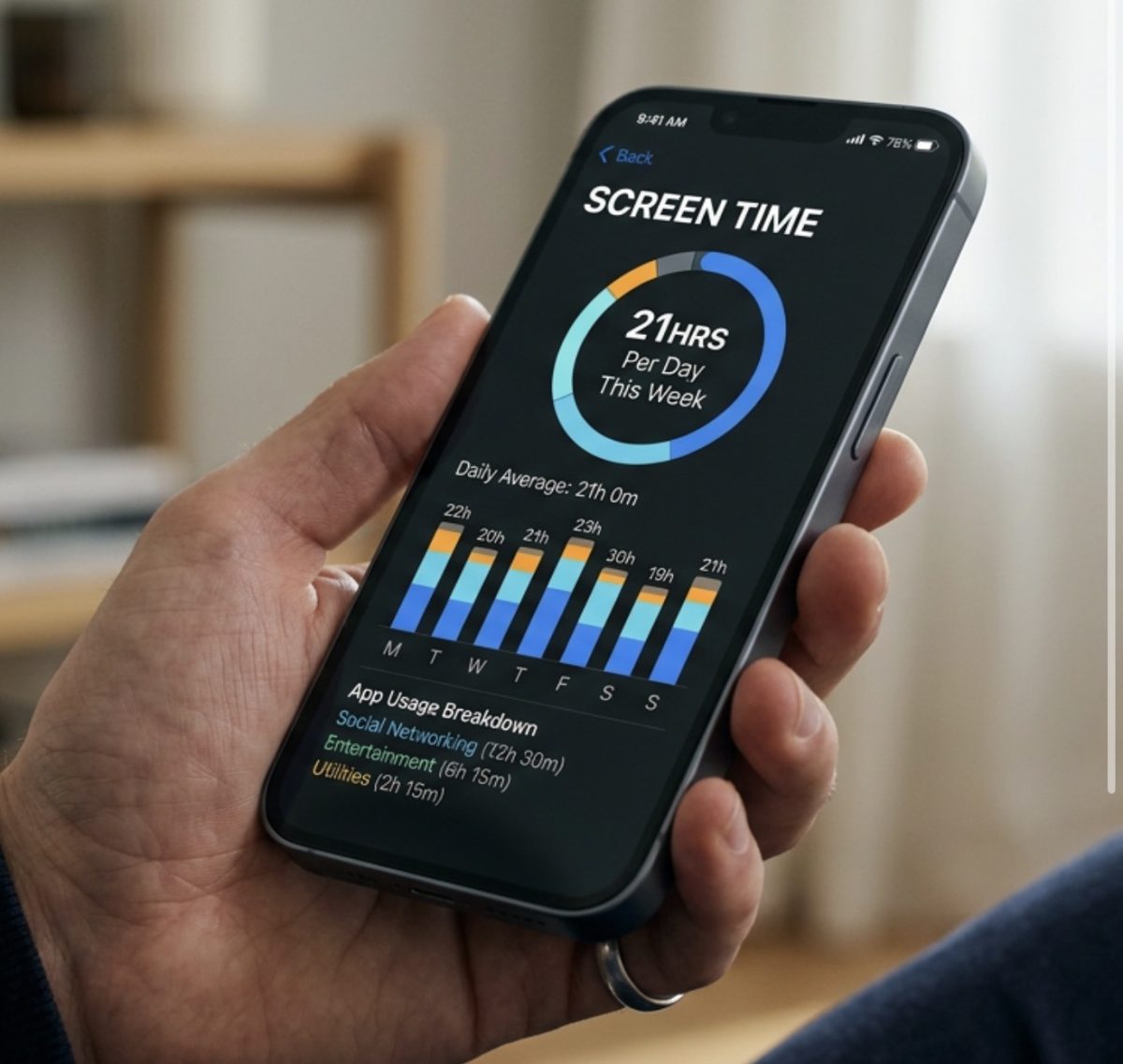
Firstly, teachers are most likely in agreement with the former. Subjects like English and Math have been ravaged by the installation of AI in this new academic culture. Students have come to rely on quick answers provided by AI and are especially more prone to using it if classwork is done online.
Children don’t learn if they use shortcuts like AI. But at this point, there seems to be no escape from what is already ingrained in the hearts, minds and phones of students.
However, those same students attest to the latter. AI becomes an invaluable tool for struggling students who use it to study or take notes. For example, during AP exam season, students raved about AI apps that summarized thorough, hour-long notes into a 10-minute cram session. But that’s a fine line to walk.
How much students can be trusted to effectively use AI as a study method instead of a cop-out for assignments is a question that weighs heavily on teachers’ minds. As much as teachers want to trust their students, there is no telling how, when and where students will use this revolutionary cheating technique.
Furthermore, teachers aren’t always able to spot AI use. Fantastically, some teachers believe that their students are capable of doing their own human work instead of AI for what seem to be miniscule assignments. But they’d be surprised.
Students are able to pass their AI-generated work into a humanizer to flag “suspected AI language” and somehow slip by their teachers. Other students aren’t so cautious.
Teachers usually know their students’ tone of voice in their writing, so if someone uses the phrase “delve into” one too many times, it signals to teachers that something isn’t completely right. However, this is a faulty system for catching students in the act as it can affect well-meaning students whose style happens to be stiff.
It’s not that AI shouldn’t be used for school. But it has to be used more effectively. That’s a burden teachers are wary of placing on their reckless, teenage students.
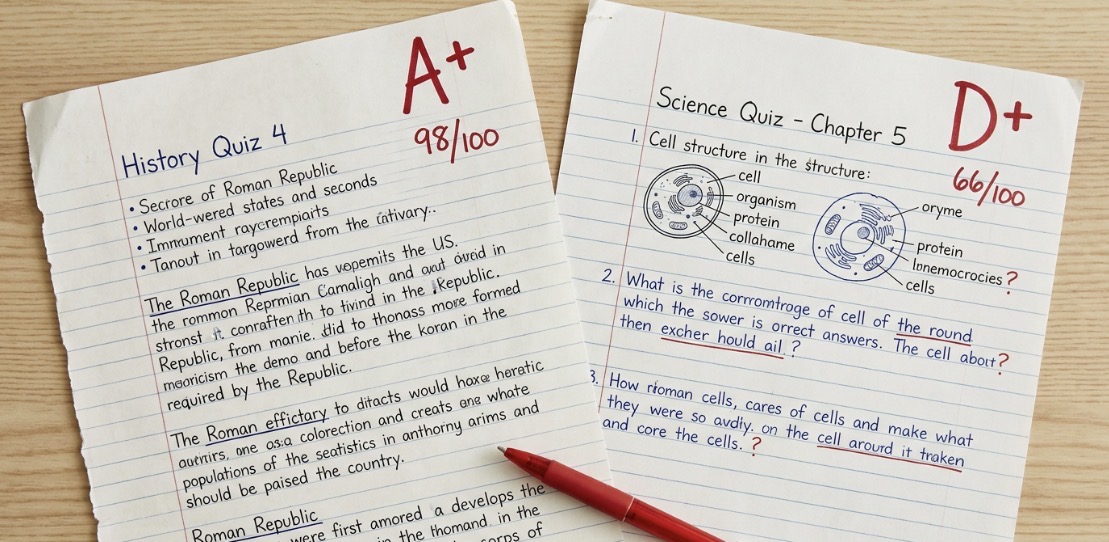
Using AI to write entire essays or solve math problems on a whim doesn’t help anything other than student’s grades. Their critical thinking and problem-solving skills go down the drain when AI becomes something to rely on.
People around the world use AI to help minimize errors, work more efficiently or write a quick email reply. Now that it’s here, there’s no stopping this freight train.
But in academic environments, placing the moral weight on students to not cheat is unrealistic, and students and teachers alike are getting slammed hard by that train.