TRUTH MATTERS… Donate to support excellence in student journalism
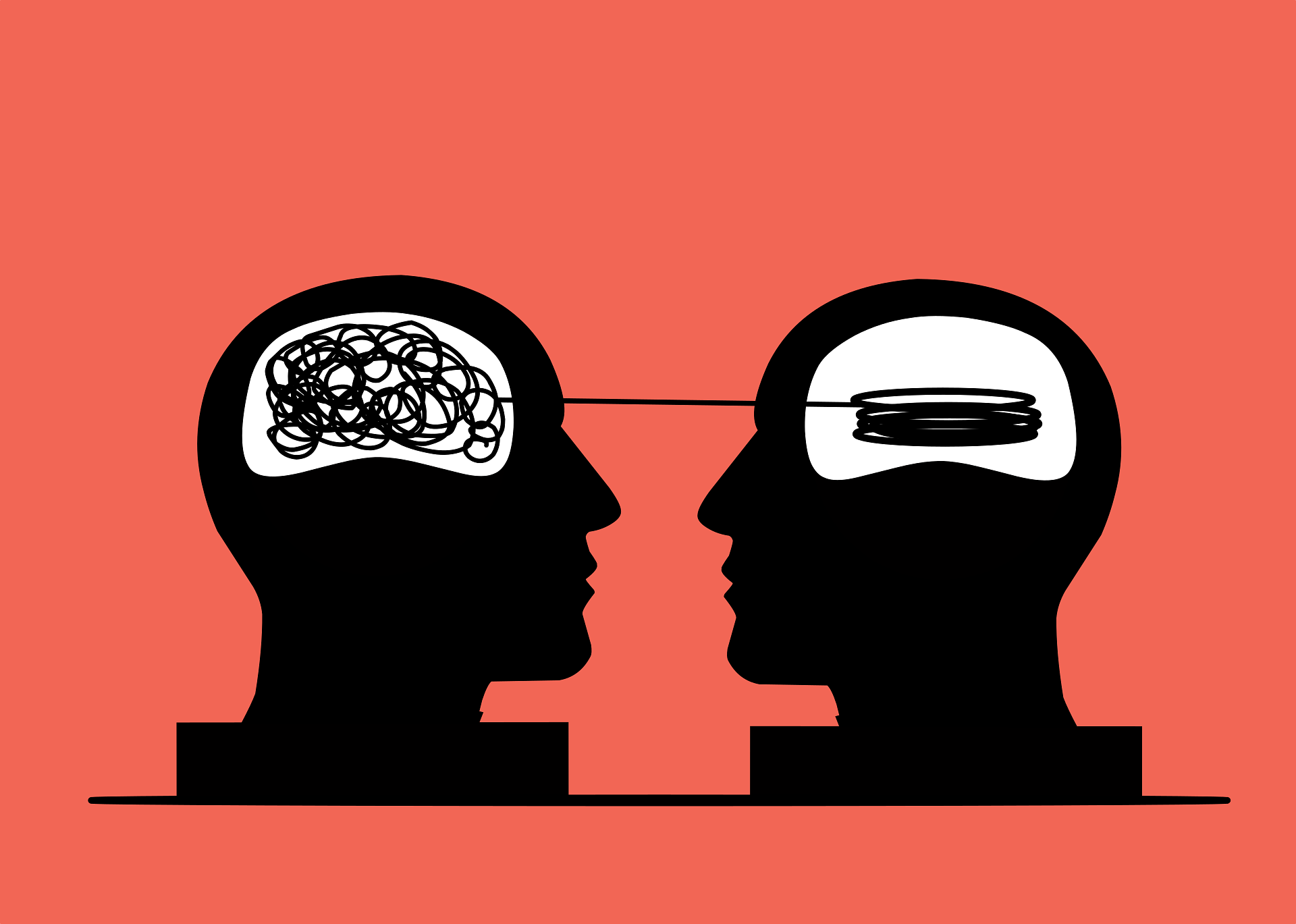
In recent years, mental health has become an increasingly important and prevalent issue in the United States, especially for teenagers and young adults.
Multitudes of statistics highlight this grim reality, with over 40% of high school students reporting persistent feelings of hopelessness and suicide being the third leading cause of death among people aged 15 to 24.
As for how this came to be, you could spend all day blaming one thing or another as the root cause but the exact underlying causes are varied and nuanced. With biological, medical, psychological and physical factors all playing a part.
Our conversation today will center itself more around the current state of mental health support. More specifically, let’s explore the government’s role in providing aid, and whether enough is being done to address mental health concerns.
Firstly, mental health isn’t just an individual issue — it’s a societal one. This matters because government policies play a significant role in shaping how mental health services are delivered and how stigma is reduced.
Unfortunately, mental health services are often underfunded and underutilized in our schools and communities. Despite recent strides in awareness and destigmatization, many teens still face barriers when seeking help.
Right now, the landscape of mental health care varies greatly depending on where you live. Some states, like Maine and Alaska, enjoy large amounts of funding for mental health services, while others comparatively lack such access in schools.
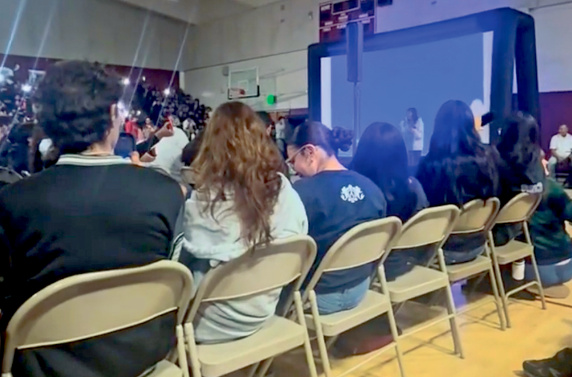
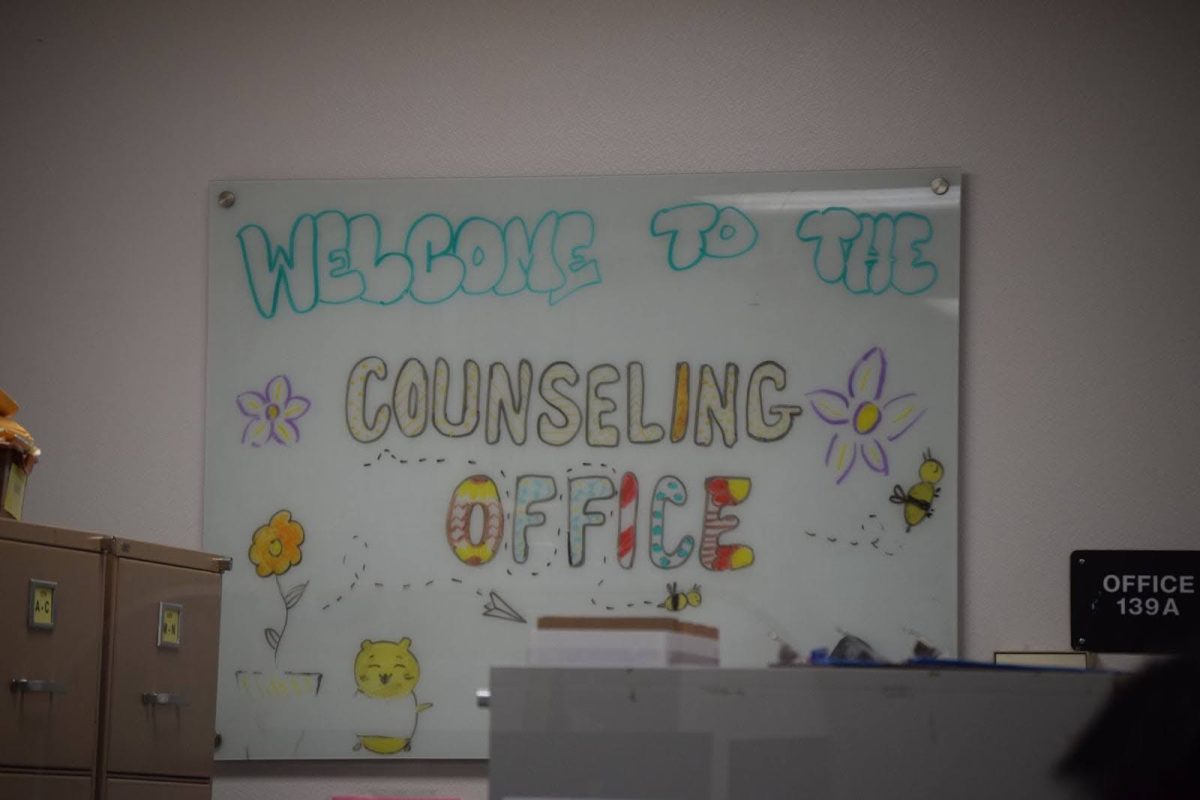
Here at Van Nuys High School, we enjoy psychological resources in the form of accessible mental health counselors. As someone who sought and received support from them myself, I can attest to the quality care available to students who request it.
However, this isn’t the case for thousands of other schools and school districts in America.
In fact, roughly one in five children with a diagnosable mental health disorder receive little to no treatment. For many young people, access to services remains the largest barrier.
Admittedly, federal and state governments have taken some steps to improve mental health care. The Affordable Care Act (ACA), implemented in 2010, expanded mental health coverage and insurance across the nation.
Still, there’s much to be done. For young people, especially those in high school, access to service is limited to what’s available in their local communities or through school-based programs.
Despite the fact that schools are on the front lines when it comes to identifying and supporting students who may be struggling, many school districts are underfunded.
The obvious change we need to see is increased funding for mental health services in schools. Mental health programs should be as accessible and financially supported as extracurricular programs.
Money spent on supporting students’ psychological well-being is no less important than money spent on any other department.
However, it’s not all doom and gloom.
As mentioned before, there have been notable improvements in destigmatizing mental health issues in recent years, with many supportive movements gaining traction on social media as well.
Perhaps one of the most encouraging aspects of the mental health conversation is the growing involvement of young people themselves.
High school and college students are increasingly leading the charge for better mental health policies. Organizations like Active Minds and The Trevor Project are pushing for better resources and suicide prevention programs.
By continuing to push for systemic change — whether through petitions, local activism or simply by becoming more vocal in the national conversation — students have the power to influence public policy.
It’s clear that the conversation around mental health is far from over, and the government has a responsibility to do more to support young people in their mental health journeys.
By improving access to care, increasing funding for school-based mental health programs and raising awareness, we can ensure that future generations have the tools they need to thrive mentally and emotionally.