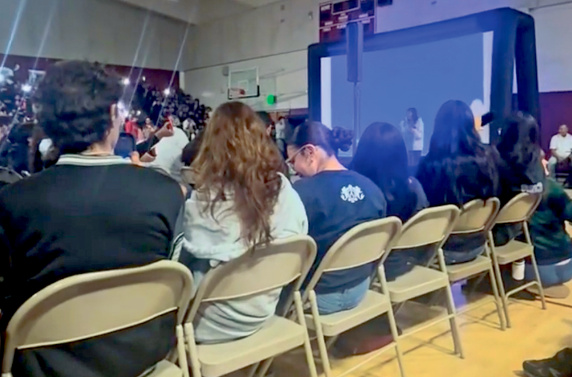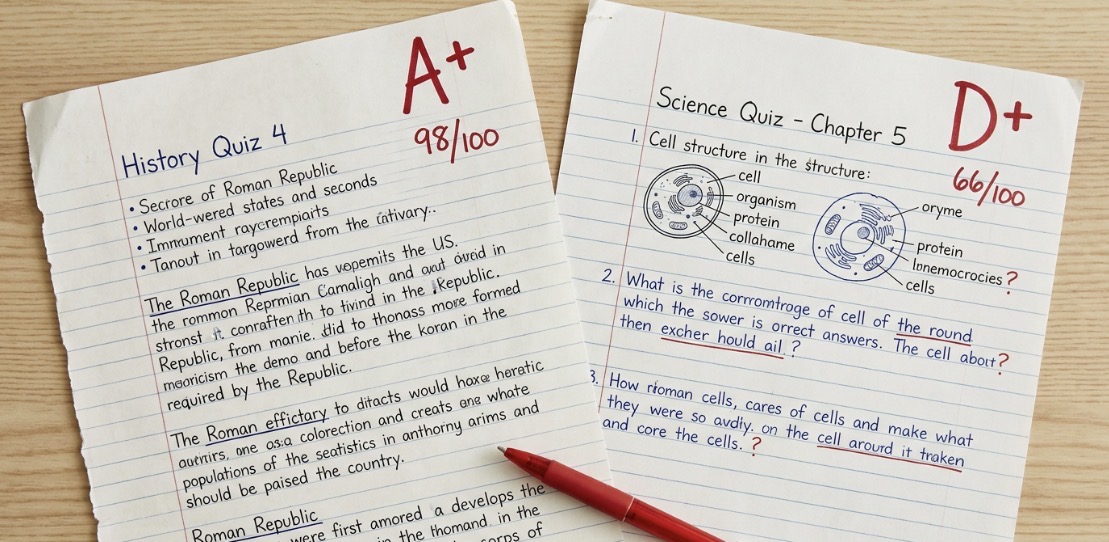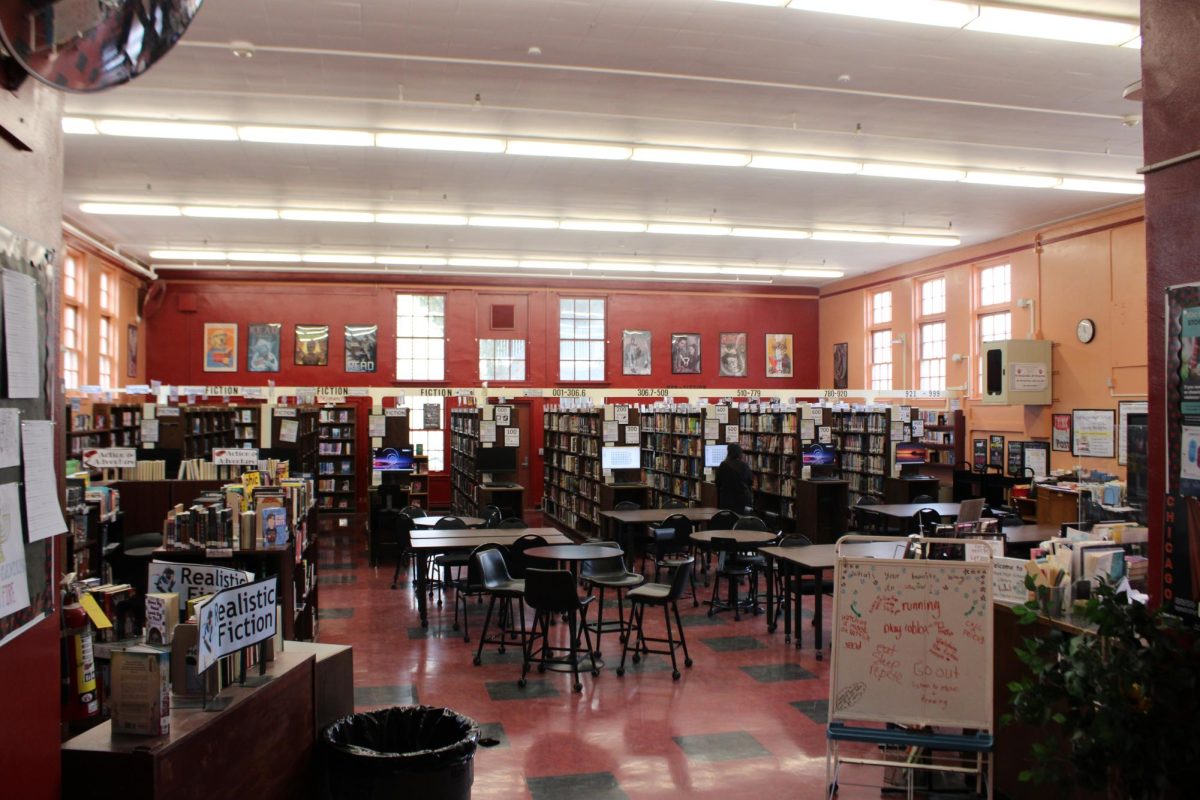
Gather all the requirements and rules of an assignment and dump it into a super-thinking computer! It will spit out the most polished draft, composition or sheet music in just a second — it’s technically skilled, but it doesn’t impress local Van Nuys High School art teacher Ms. Kellie Hayden.
She has students who have given those exact things to an AI bot in hopes of either working around her assignment or flat-out skipping it. Her rules and direction don’t exactly bar AI usage but her ensuing uncertainty as to whether to accept the work, mark off points or banish the student is a skepticism all creatives share in the age of AI.
Just a few years ago, AI art generation wasn’t even in the periphery of most people. Back then, it was known mostly for its sloppy, distorted output and its inability to accurately generate hands and fingers.
However, as AI advances at lightning speed, it’s harder to tell if something is created by it. Now, AI is highly sophisticated at mimicking human creativity and communication styles.
Until copyright law catches up to AI, anyone with a keyboard can claim an artist’s work as their own, and that’s a problem students making art right now will inherit.
This “inspiration” has created some ethical and creative problems for artists who thrive on the internet space.
Artificial intelligence uses the internet as its inspiration pool, drawing from art styles, original characters and other artworks, often to a tee. Some artists claim that AI has unethically “stolen” their artwork and likeness by using their art as uncredited inspiration, sometimes going as far as claiming downright thievery.
For example, in 2023, a coalition of artists in northern California brought forward a case — Andersen vs. Stability A.I. — arguing that their copyrighted artworks were being infringed upon by the image generation systems of Stability A.I., Midjourney, DeviantArt and Runaway A.I.
The allegations focused on the potential of the billions of images and terabytes of data that AI learned from might have included copyrighted artwork, copies of said artwork or images from public sites like Pinterest, Tumblr or Instagram.
The landmark class-actions lawsuit’s current failure to reach a verdict, and the subsequent ambiguity of whether artists who make a living by posting their work online are at the risk of having their work functionally stolen, provides no answers for AI regulation.
However, the legal limbo that AI corporations and artists have found themselves in has brought forth an even more chaotic challenge.
The availability of AI is at an all-time high, appearing on every Google search you could think of to random TikTok filters.
And due to its advancements, some use AI as an opportunity to type in a prompt, wait a few seconds and claim what pops out as their own.
“Artists” usually claim their AI usage as that of an “assistive tool.” But when they certify the fundamentally AI work as their own, it can lead to major problems.
As one would assume, AI work can not be copyrighted by the U.S. Copyright Office. However, AI-enhanced works can be. The caveats provided by this are endless.
When artists submit their work, they just have to declare which parts are human-made and which are AI-made. If the copyright is successful, the organization would only protect the human parts.
That is why there are already over 1,000 AI-enhanced, copyrighted works.
However, this presents the idea of subjectivity on what is “mostly human” or “mostly AI.”
Some people say that typing prompts into AI is a new kind of art or that it makes art easier for everyone by removing the technical skills needed. However, these remarks do not explain or make up for the ethical and practical problems being pointed out.
Being able to create images quickly is not more important than respecting people’s work and protecting how artists make a living. When that respect is ignored, art stops feeling like something created by humans and instead becomes a mix of other people’s work that was used without their permission.
All it takes is one person to generate an AI piece of art and change just enough to submit it for copyright as their own to set a precedent.
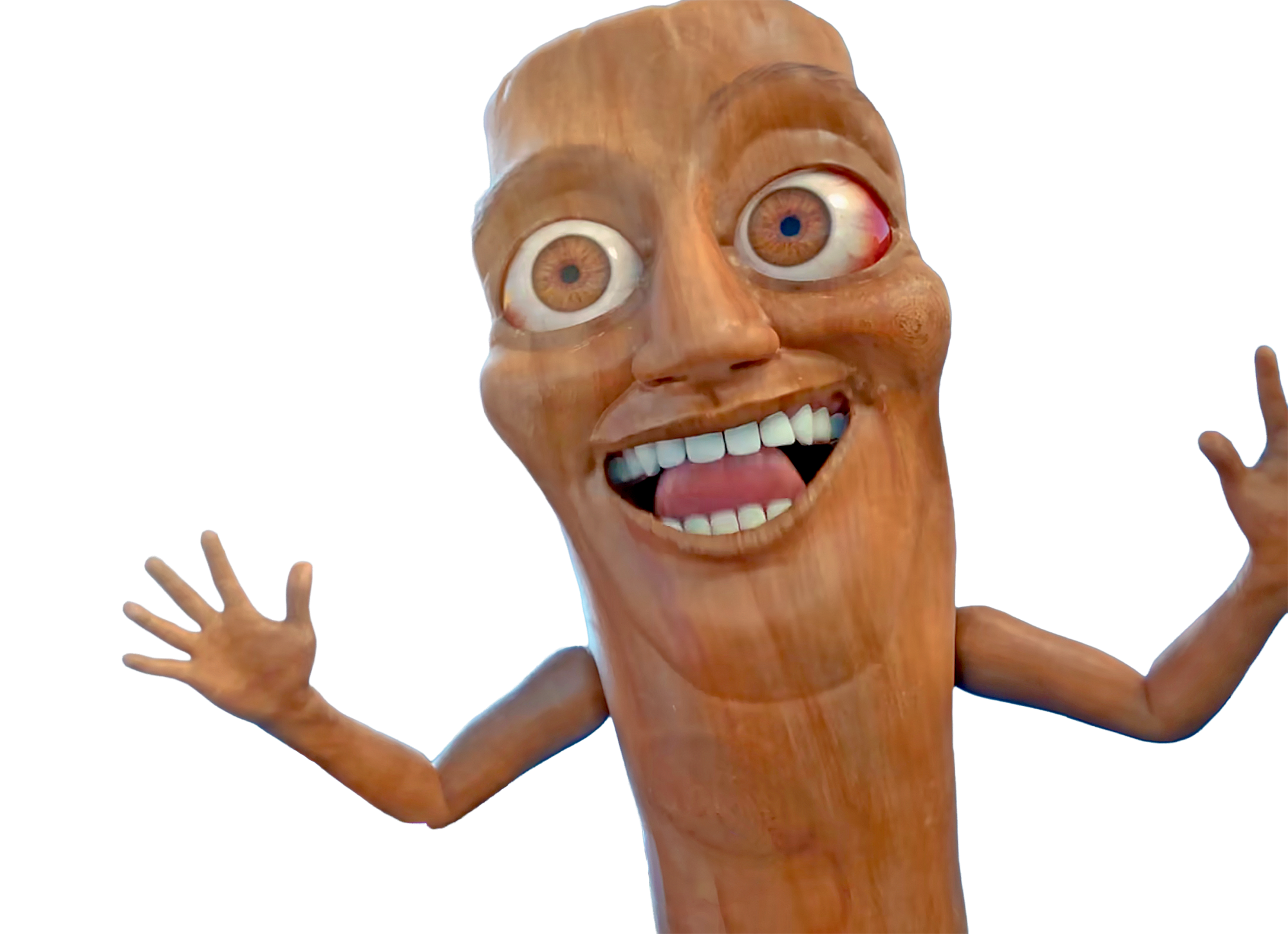
But this precedent has already been set. TikTok influencer Noxaasht, the creator of AI-produced Italian brainrot character, Tung Tung Tung Sahur, brought a case to court when he alleged that Roblox game creator, only known as Sammy, improperly infringed on his work for monetary benefit by adding Tung Tung Tung Sahur to his game “Steal a Brainrot.”
At the time of the case, Tung Tung Tung Sahur was not copyrighted, allowing people like Sammy to exploit what Noxaasht considered his own work.
As a defense, Noxaasht lobbied for the copyright of Tung Tung Tung Sahur and was ultimately successful despite his little involvement in the characters design and creation. This forced Sammy to remove Tung Tung Tung Sahur from his game.
Following this viral case, there seemed to be more freedom for people to claim AI art as their own. TikTok edits, Youtube thumbnails, Roblox characters and even ads have jumped on the train of letting AI do work that human artists would happily do.
AI’s reintroduction as an innovative giant of the music charts, of average schoolwork and ultimately of previously human art has left a void of unanswered questions.
And none of it will stop until there are clear, definitive and strong regulations and rules defending human work above all else, especially in the face of AI art.
Humans, as the ultimate catalyst for AI generation, are only pushing other humans out of a space that they created. Artists who create authentically and want that to be recognized are at a loss, because now, there’s no telling what’s real and what’s not.
This article originally appeared in the Early Spring 2026 print edition.