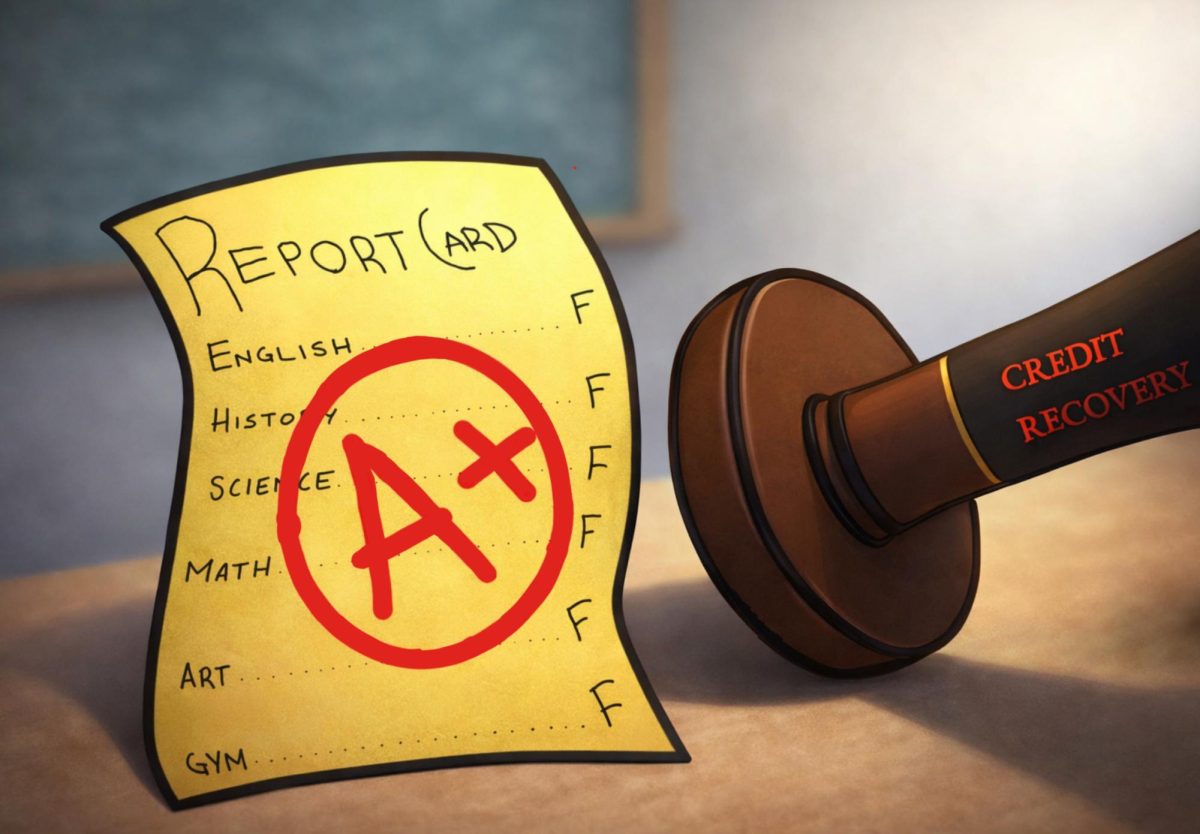
Schools have spent the last six years trying to make failure nearly impossible.
Deadlines stretch. Late work earns full credit. Grading policies bend in the name of fairness and flexibility.
In theory, the goal is admirable: support struggling students and account for the real inequities that shape their lives.
In practice, the result is something closer to academic training wheels that never come off.
When deadlines stop functioning like deadlines, most students stop treating them that way.
That’s not a moral failure on the part of students. It’s a predictable response to incentives. If consequences disappear, so will urgency.
That reality collided with pandemic-era grading policies that dramatically softened academic consequences across LAUSD.
During the pandemic, those policies protected students navigating unstable internet access, family responsibilities and unprecedented disruption. A rigid grading system during that period would have punished students for circumstances completely outside their control.
But emergency policies have a tendency to linger long after the emergency has passed.
Even as classrooms returned to normal, many of the habits those policies created stayed in place: late work accepted without penalty, expanded retake opportunities and a quiet institutional reluctance to assign failing grades.
What began as a temporary safeguard hardened into a new baseline. Flexibility was no longer an exception. It was the expectation.
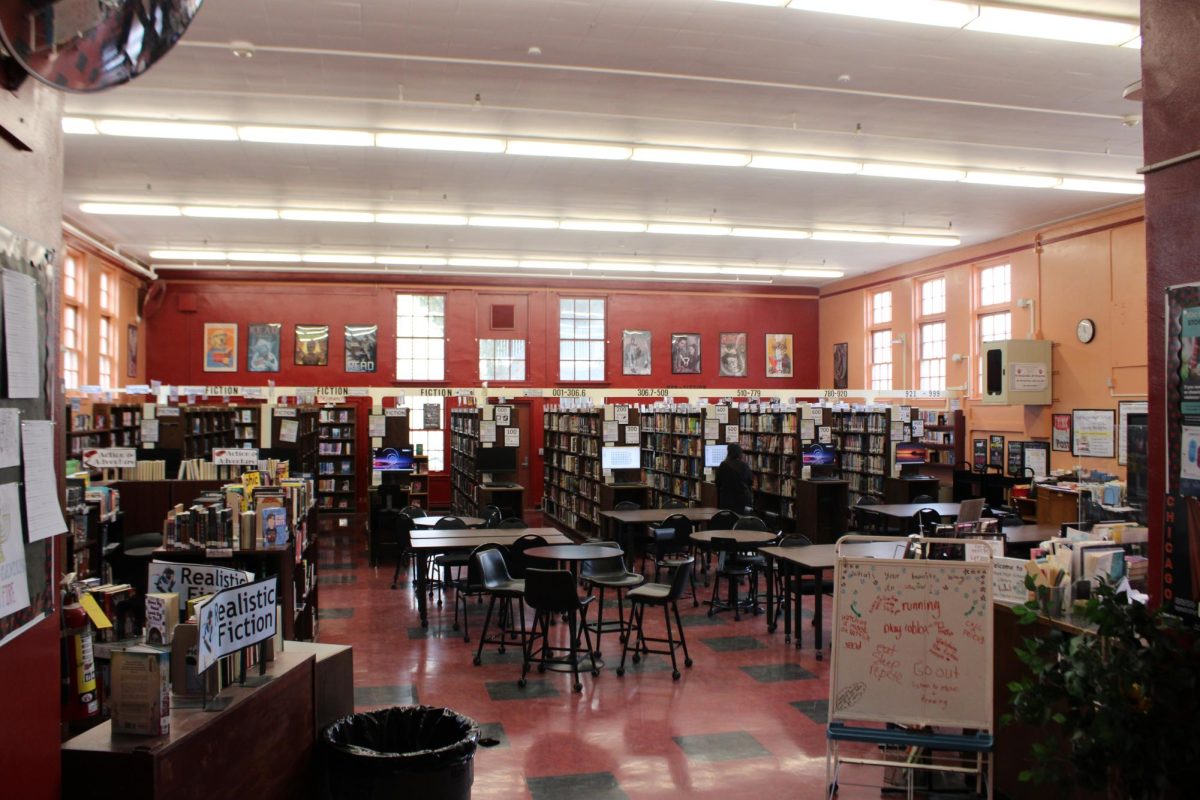
At Van Nuys High School, teachers say the aftereffects are still visible.
“I believe that a lot of these students who had the no-late work policy didn’t learn about accountability,” AP Seminar teacher Angelino Simbulan said. “Some students used that to their advantage, weaponizing it.”
Students, after all, are excellent observers of systems.
When deadlines are inconsistently enforced, patterns emerge fast. Classes with firm expectations become priorities. More lenient ones turn into what Simbulan describes as a “mental breather,” a place where assignments can wait because consequences rarely follow.
“During covid, it was very understandable why we had to implement that policy,” AP Chemistry teacher Tracey Kim said. “But once we got back, it just created a very bad habit.”
Habits shape expectations. When deadlines regularly move, time management becomes optional.
Education, like life, involves struggle.
Deadlines force prioritization. Failure provides feedback about what students still need to learn.
“Struggle is a part of life,” Kim said. “Life isn’t easy. You can’t shy away from struggle.”
Simbulan puts it more bluntly.
“To pass without learning is more awful than to fail,” he said.
None of this means schools should abandon compassion. Students balance jobs, family obligations and personal challenges that rarely align with a bell schedule. Flexibility can make the difference between a struggling student succeeding or falling behind.
But compassion without structure quickly becomes complacency.
If schools want to prepare students for life beyond graduation, they eventually have to reintroduce the things life rarely negotiates: expectations, deadlines and accountability.
A workplace won’t accept a project weeks late without consequence. A college professor won’t offer unlimited revisions until the end of the semester.
The question is whether students face those expectations in high school, where teachers can guide them through mistakes, or after graduation, when the stakes are higher.
Flexibility has its place. Support has its place. But a school cannot run indefinitely on academic training wheels.
Because a school system that refuses to let students fail may have already stopped teaching them how to succeed.
This article originally appeared in the Early Spring 2026 print edition.