Roughly 17 miles from Van Nuys High School, a verdict has the chance to permanently change the lives of millions of young people.
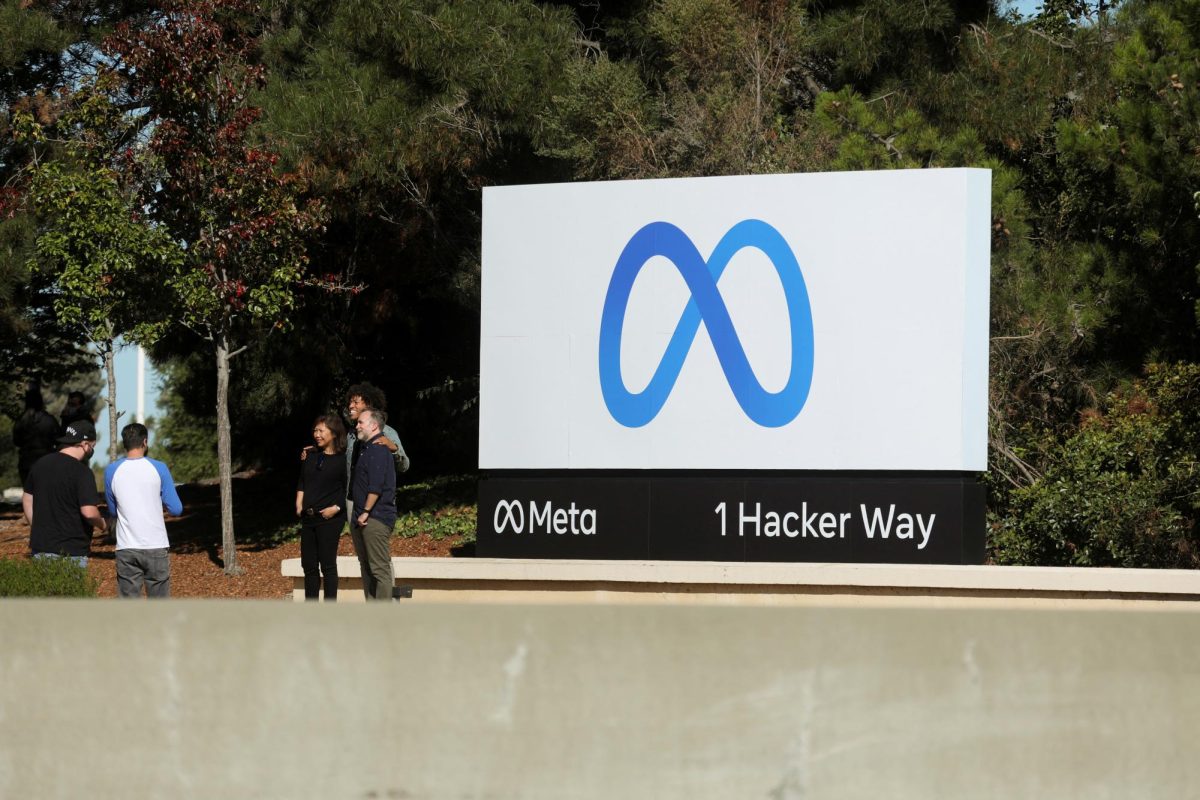
Mark Zuckerberg, the CEO of Meta, testified against the allegations at LA Superior Court downtown of designing social media platforms, such as Facebook and Instagram, to be addicting and harmful to mental health.
The 20-year-old plaintiff, who goes by K.G.M or Kaley, brought forth the trial because she wants Zuckerberg to be held accountable for her own wrongdoings.
And Kaley isn’t the only plaintiff — the lawsuit was also corroborated by young users and their parents who became concerned about mental health on social media.
However, this case isn’t just about addiction to social media. It’s about who can win the blame game instead of admitting to someone’s own mistakes.
The trial began with a 35-foot collage of the plaintiff’s heavily-filtered selfies when she was nine years old. This piece of evidence served as the center of the plaintiff’s case, which argued Meta was deliberately creating addictive features.
They constructed the argument that when Kaley discovered the filters could slightly change how she looked or enhance the image, she slapped one on each of her selfies, leading to a significant depression of her mental health. But what they left out is that obsessing over her insecurities and forming a poor self-image all began when she failed to get enough likes.
Kaley asserted that at that age, her addiction to social media caused her anxiety and depression to spiral, eventually resulting in a diagnosis of body dysmorphia — a disorder where a person’s self-perception of their physical appearance is warped. Around this time, she contemplated suicide and later began seeing a therapist at 13.
But tragic as they might be, Kaley’s struggles aren’t directly aligned to the actions and failings of Meta. They’re aligned with her own.
Instagram’s age restrictions clearly assert that users must be at least 13 years old. Despite this, Kaley chose to download the app and willingly made an account.
Even though those apps failed her, no one forced her to do any of those actions. This was clearly something the parents should’ve caught and handled before it evidently spiralled into something larger.
Kaley isn’t the only person to go through this. The age restrictions can easily be avoided and are faulty in that way. But that still doesn’t mean Meta is ultimately to blame.
Other large social media platforms, not just Meta, struggle to design foolproof age restrictions.
Currently implemented security measures are often the best that can be done. When kids can easily fake their age and parents don’t supervise their underage child, built-in app limitations will inevitably be exploitable.
However, outside of the trial, Meta has also been facing allegations about covering up their failure to protect minors from sexual predators, along with causing anxiety and depression among teens via cyberbullying and algorithm regulations. It is still unclear whether Meta hid any proof of the harmful effects of its apps.
Former employees have also come forward and stated that the company’s algorithms were made to help connect sexual predators with minors. Executives have refused to come forward or speak on the topic.
While Meta has faced a lot of problems regarding mental health, Kaley’s belief that her addiction was caused by social media is misguided.
In her testimony, Kaley mentioned having a difficult childhood at home with her parents. Along with this, she claims her mother neglected and abused her. Kaley’s misfortune doesn’t truly stem from Meta; it’s just a vehicle for Kaley’s ails. The more details are revealed in court, the more Kaley’s situation starts to look like a parenting issue.
Kaley has admitted to a tense relationship with her mother on record. That tension led to thoughts of self harm. But these thoughts started before she got hooked on social media, which suggests that Meta isn’t to blame for her current condition.
If what Kaley said about her mother is true, then Kaley was just looking for a way out of that horrible life, deservedly so. But social media itself didn’t cause her mental health to dive-bomb. Looking for a way to escape did.
Social media allows people to connect, communicate and build networks with each other, and Kaley did just that. Unfortunately, for reasons outside of Meta’s hands, it just made her situation worse.