Horror movies dominate the film scene, reflecting social anxieties and offering a thrilling escape.
People often use movies as an escape from reality, with comedies and feel-good films being historically popular. But the recent surge in horror films has caused a decline in the availability of other genres.
With the rise of horror movie releases at the start of the decade, including films like “The Invisible Man,”, “A Quiet Place Part II” and “Candyman,” it’s evident that target audiences as well as industry priorities have changed.
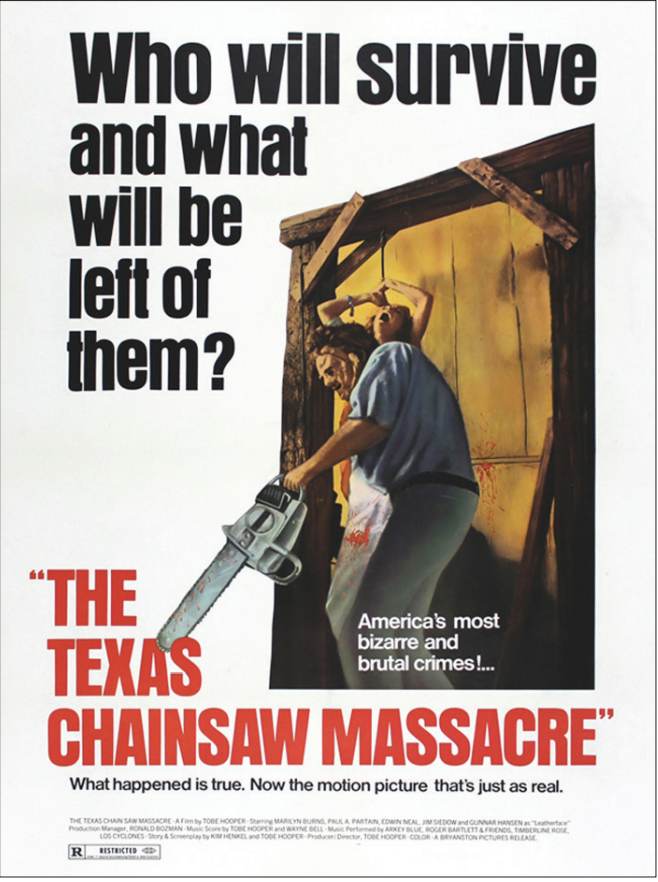
The slasher that changed cinema, “Texas Chainsaw Massacre,” drew audiences in with its innovative elements. The anxiety and uncertainty of the 60s increased interest in horror films of a similar nature.”
Now, movie theaters no longer present family films, leading to dwindling crowds during weekdays, as more people opt to view movies at home.
Yet even at home, horror movies dominate streaming platforms. This trend began in the 80s with the advent of home VCRs, making horror movies more accessible.
A recent ABC News article explained that events like the covid-19 pandemic, protests and school shootings have heightened social anxiety, also leading to people staying at home.
According to “Stat Significant,” a website focused on data-based essays on movies and TV shows, “nervous” individuals often find “safety” in horror movies, as the fear is controlled and confined within the screen.
In an economy where prices continue to rise, financial factors play a significant role in determining which film genres get produced as well.
When people think of horror movies, they often envision jump scares, gore or underlying scary themes.
The primary goal is just to frighten the audience somehow.
A horror movie doesn’t require much money to scare the audience.
While many movies include millions of dollars of special effects and CGI, memorable horror films, including the original “Saw”, were made on low budgets, and continue to induce fear.
The surge in horror movies reflects rising societal anxiety and economic factors, with low production costs and high returns driving their popularity.