

Trump Pushes Harder on Greenland, and NATO Allies Push Back
This week, President Trump said once again that the United States needs Greenland, a large Arctic territory currently under Denmark’s control, and argues that NATO should support giving it to the U.S. He wrote on social media that having Greenland under American control would make NATO ‘’far more formidable and effective’’ for national security, especially against Russia or China. Danish and Greenlandic leaders strongly disagreed, showing that Greenland’s future should be decided by its own people and that any forced takeover is unacceptable. Conversations were held at the White House with U.S., Danish and Greenlandic officials but major disagreements remain.

U.S. Suspends Immigrant Visa Processing for 75 Countries
In immigration news, the U.S. State Department announced it will pause the processing of immigrant visas for citizens of 75 countries starting Jan. 21, 2026 citing fears that new arrivals might rely on public assistance programs. This action affects primarily people seeking permanent residency (green cards) and is separate from non-immigrant visas like tourist or student visas, which are not paused. The affected list includes nations from Africa, Asia and Latin America. Government officials say the pause will allow them to reassess screening procedures, though critics worry it could drastically reduce legal immigration and strain foreign relations with the countries involved.
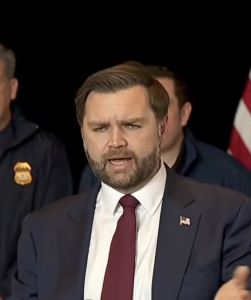
What the Insurrection Act Is and Why It’s Back in the News
The Insurrection Act is a federal law from the early 1800s that gives the U.S. president authority to deploy military forces within the country to stop serious rebellions, large-scale violence, or enforcement of federal law when local authorities can’t handle the situation. This week, the Trump Administration suggested it might invoke the Act in response to ongoing protests and unrest in Minneapolis following clashes tied to immigration enforcement policies. Using military forces domestically under this law is rare and controversial because it bypasses normal restrictions on military involvement in civilian law enforcement.