Popular media has by and large been no stranger to using creative expression as a means to portray some discomforting topics like abuse, vulgar language and addictive substances. But drugs have a way of escaping from the grips of fiction and into the lives of impressionable audiences.
“Drugs” is a broad term. It can range from medicinal remedies to more traditionally-associated stimulants like cocaine and coffee, opioids like heroin and pain relievers and depressants like alcohol and cannabis.
As pop culture knows it, drugs are anything that makes life a little more rose-colored, even if the byproduct is a catastrophic fall from that high.
Alcohol isn’t evaluated as critically as drugs are because of its deep cultural standing and social normalization. However, social acceptance doesn’t take away from the fact that alcohol is just as bad. But recently, the treatment that alcoholic beverages have been extended has been slowly adopting other drugs into its ranks.
Film and music have been the primary vehicles of this phenomenon.
The hope is that the media is able to balance the line between glamorization and caution. Most do. But the once rare few that didn’t have become the rare many.
In general, movies and song lyrics have always portrayed certain drugs as “classy,” “cool” and “edgy” while some other drugs are left in the dust. Take a handful of movies from the past two decades and it’d be evident that hundreds of films portray an older brother or popular friend as an avid partaker in weed or alcohol.
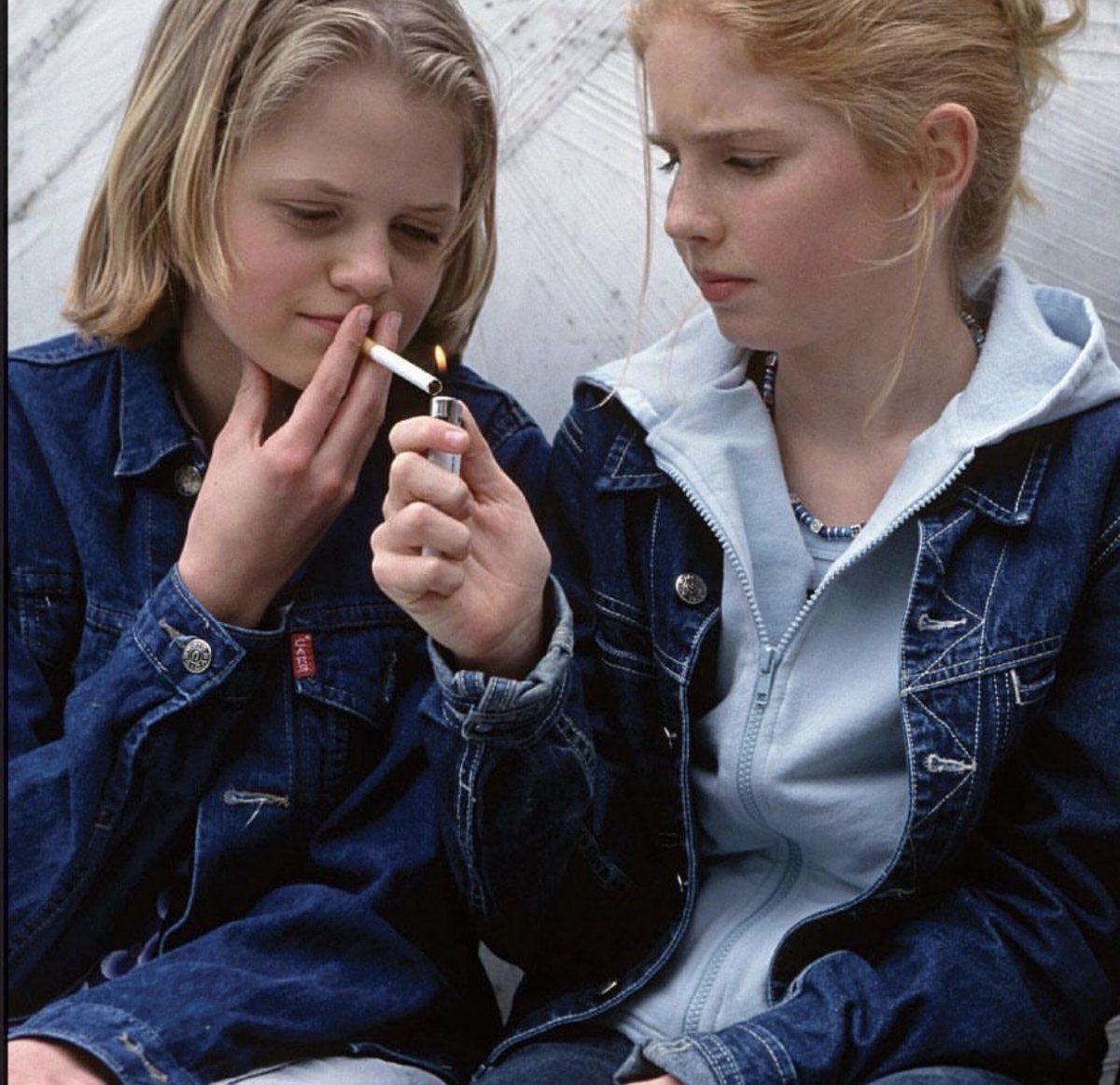
Take the 2003 movie “Thirteen,” which provides both an accurate depiction of drugs while emphasizing the “thrilling” side of them. Through the main character’s perspective, audiences are exposed to the idea that drugs go hand in hand with having a good time. To a young viewer, the dangerous consequences can easily slip their mind.
This establishes an implicit connection for young audiences exposed to these kinds of movies, depicting drug usage as a way to be “different”: cooler, edgier and more desirable.
This is especially true in the music industry.
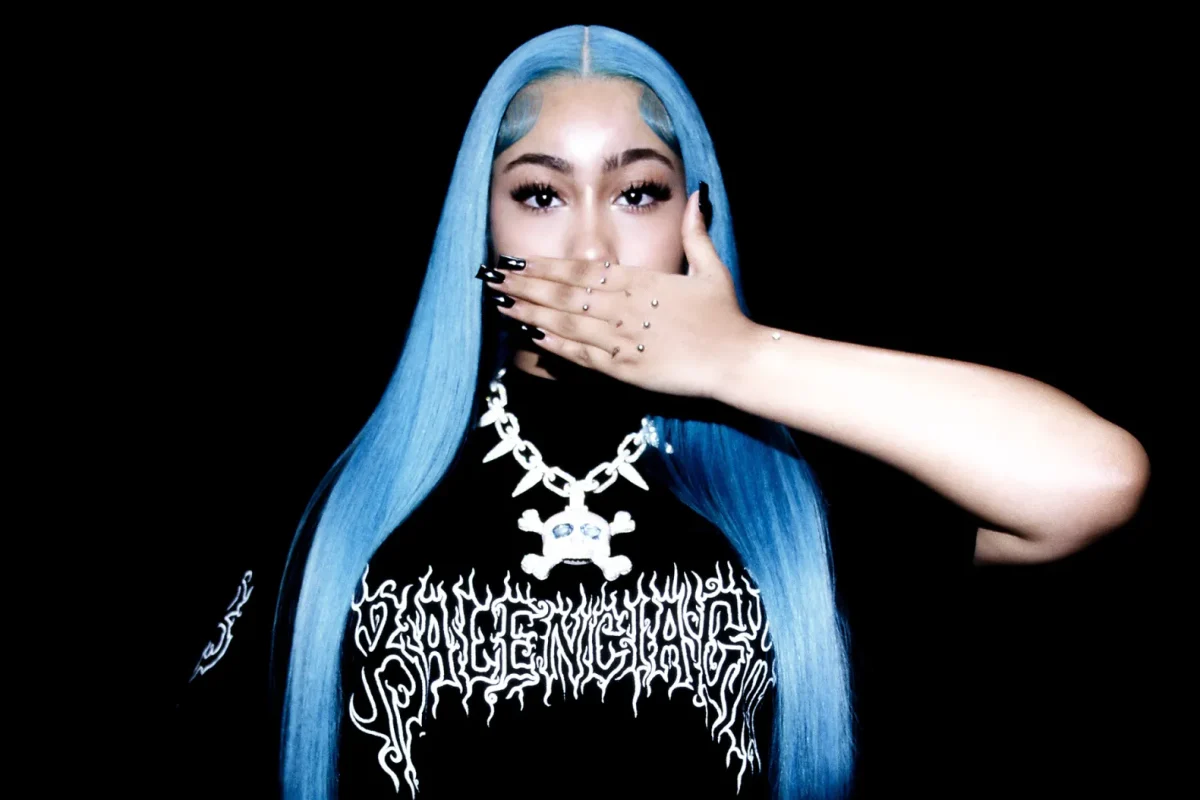
For example, English pop singer Charli XCX, who achieved bona-fide stardom in 2024 for her “BRAT” album, is one of these artists.
“BRAT” consists of electronic party music that is an ode to clubbing. A twinge of drug reference is to be expected in that scene. But songs like “365” take it to another level. Take lyrics like “When I’m in the club, yeah, I’m (bumpin’ that) When I’m at the house, yeah, I’m (bumpin’ that) 365 party girl, should we do a little key, should we have a little line?”
Translation: Charli XCX wants to use cocaine for a good time.
The heavy publicization of Charli XCX’s music as it bled into the stream of TikTok music, culminating in the “Apple” dance trend, has revealed a side of fame and partying most were oblivious to.
And Charli XCX is not an exception — she is the norm.
Cocaine is prevalent in most parties that people consider worthwhile in the world of Hollywood, and a credit card and straw aren’t uncommon accessories in a celebrity’s pockets.
But it sets yet another standard people want to reach if they want to follow in Charli XCX’s footsteps.
The usage of hard drugs are all the more dangerous when consumers, like many of Charli XCX’s audience, are as young as middle schoolers. To the young viewers, it’s just another thing to admire XCX for.
While cocaine is one extreme, another more subtle reemergence of drugs are cigarettes.
Also emboldened by popular music and films that more directly glamorize tobacco, high school and college students have found cigarettes to be the more chic option than the usual vapes and pens they are exposed to. More chic, but equally dangerous.
The generation that was supposed to finally wean itself off of the drugs of their parents and grandparents have slowly been coaxed back.
Producers and artists know exactly what they’re doing when they portray the exciting aspect of drugs to young audiences. When they provide the idea that you can only be cool and popular by doing drugs, they leave an unrealistic and sad effect on what were once hopeful children.
-
2003 movie “Thirteen” showing girls using harmful substances Instagram | @lollipoppculture

-
Charli XCX’s album “BRAT” has songs that suggest having to use cocaine in order to have a good time. Instagram | @zapow2021

-
Tiktok warning its users about the harmful substances and how it can affect you