Sacrificing real people’s lives for the sake of entertainment isn’t right. Especially when children are involved.
Entertainment like reality TV shows’ main purpose is to provide amusement more than anything. For most people, reality TV shows give them something to laugh about or something to be invested in.
Despite its name, a good chunk of reality TV’s drama and storylines are scripted or exaggerated. But that doesn’t mean that real people’s feelings aren’t still involved.
Children are especially vulnerable under the spotlight when their privacy is invaded. Far too often, they’re humiliated and manipulated into playing into an exaggerated reality. Ultimately, children’s childhoods are being robbed.
Reality TV is an easy way to strip a child of what little self-determination they have in favor of endless filming and “acting,” all for money that goes straight to their parents. Entertainment has always been an exploitative business, but we need to draw stricter lines when it places children at risk.
The pressure on young children to display a certain identity on screen can affect their own ability to form a healthy image of themselves. They would be playing a part on and off the screen because it’s reality TV.
Although reality TV contains a semblance of actual “reality,” what is shown for the silver screen isn’t like real life at all. For children, this is especially dangerous. On reality TV, children’s lives are composed of dramatized fights and exaggerated caricatures of themselves — it’s often something they never truly signed up for.
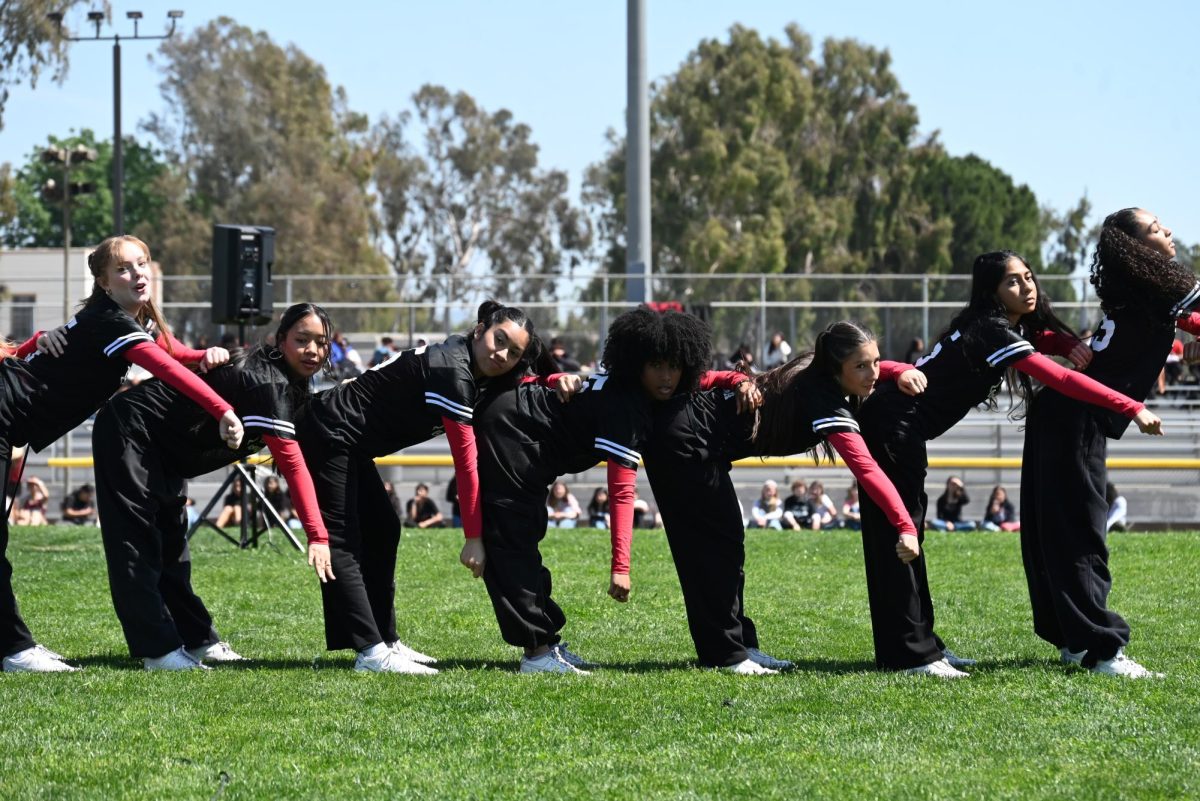
The most relevant example of this phenomenon is “Dance Moms,” which first aired in 2011. The show’s premise follows the Abby Lee Dance Company, headed by Abby Lee Miller, and its children dancers during their training and competitions.
Though Miller is most known for her brutal style of teaching and controversial remarks against the mothers of its restless dancers, a critical point of the show is that her methods push her dancers to their very limits in the name of snagging a trophy or two.
These intense training sessions would begin as young as six years old. Parents would sign their children on for seasonal contracts and subject them to a world of elite competition while they endured ruthless comments.
On top of a problematic environment, a massive amount of pressure and exposure was placed on each kid every week, being that they were expected to win every competition every weekend.
It’s as simple as it appears. The amount of toxic drama, both naturally created among the mothers and forced by producers, as well as the pressure of maintaining a high reputation for the Abby Lee Dance Company was enough to leave lasting effects on these poor little girls.
“Dance Moms” is an example of excess in the industry — the constant degrading comments stripped the children of their self-esteem — however, it highlights a more general and dangerous trend for children on reality TV.
Reality shows are built on the exorbitance of instigated drama among reality TV stars. “The Kardashians,” “Jersey Shore” and the “Real Housewives of Beverly Hills” are all prime examples of why drama is entertainment fodder.
But for child stars, the forced drama and overstated reality can easily twist their minds into believing what is only meant to be artificial. Real change, not a click or scroll away, is the only thing that can save these exploited children.