New satellite images released by the Yale Humanitarian research lab show what researchers have identified as massive pools of dried blood on top of mass graves in Sudan’s El Fasher region. The destruction has been mapped from orbit while the world looks away. This is the deadliest humanitarian crisis on the planet, and most Americans have barely heard of it.
Students scroll on social media and see the bodies of innocent Sudanese people being thrown out onto the streets to rot,families leaving their homes, they see burning villages, hospitals that have gone to just bricks on the road. But Sudan isn’t important enough to make it on the news so their problems stay “small” on tiktok and other platforms and never make it on to the evening news.
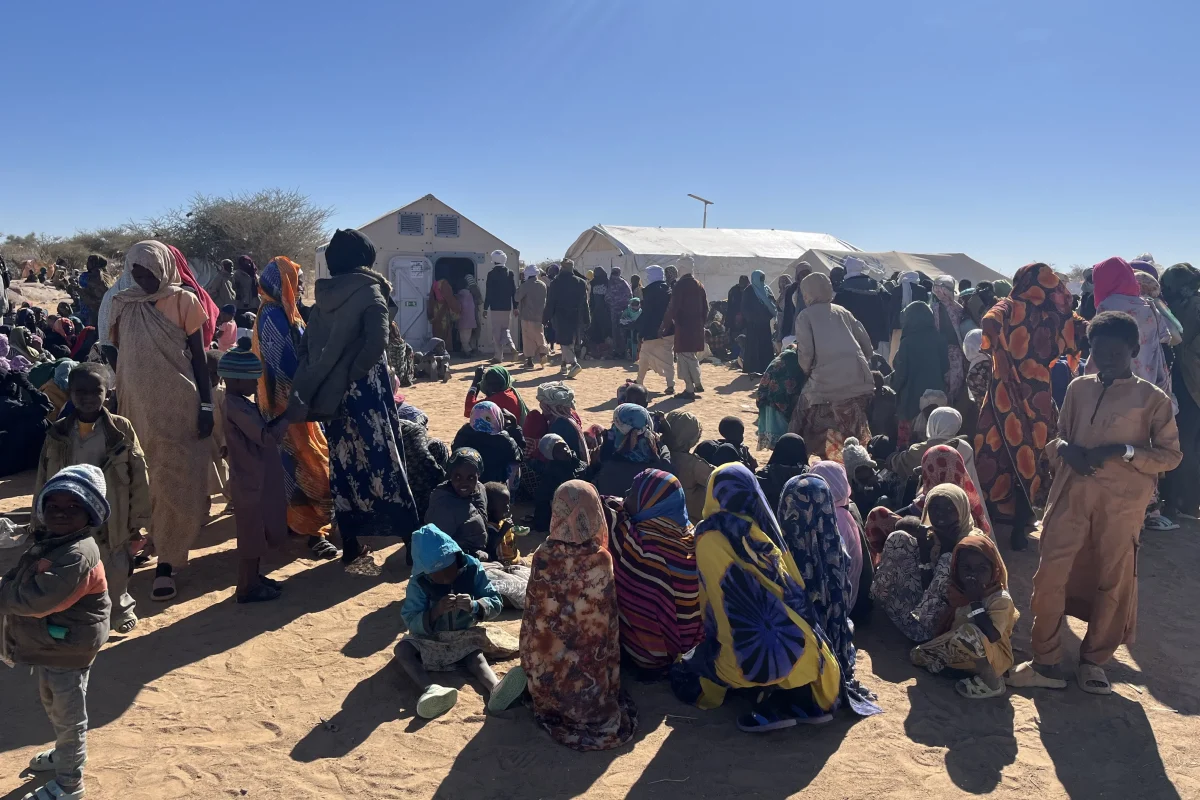
Sudan has been locked in a civil war since April 2023, with the Rapid Support Forces (RSF) battling the Sudanese Armed Forces (SAF) for control of the country. According to the United Nations, thousands of civilians have been killed, villages and farmlands destroyed and nearly 12 million people driven from their homes, with 4 million of them becoming refugees in neighbouring countries. Given how many deaths go unrecorded in wartime chaos, the real toll is probably much higher.
In October 2025 a drone strike hit the Saudi Maternal Teaching Hospital in El-Fasher, which was one of the last functioning hospitals in the region.. The attack marked the culmination of RSF efforts to eliminate medical infrastructure in Darfur.
According to the World Health Organization (WHO) 38% of Sudan’s health facilities are non-functional and only 14% of hospitals remain operational. In Khartoum, which once provided 70% of national health services, many hospitals have been destroyed or repurposed for military use.
The deliberate targeting of health care workers points to something darker than collateral damage. It’s a military strategy designed to break civilian resistance by eliminating the people who keep communities alive.
The same logic applies to journalists. By targeting reporters who document atrocities, the RSF ensures the world sees as little as possible.
Since the war began, Reporters Without Borders has documented at least seven journalists killed and approximately 15 media professionals imprisoned, and two of whom remain detained.
Neither side in this war has claimed the moral high ground, and the RSF in particular has shown no interest in the laws of armed conflict.
International pressure has mounted. The United Nations, European Union and governments including Qatar, the United Kingdom and the United States have called for an immediate ceasefire.
The United States has been one of Sudan’s largest aid donors, committing over $2 billion in humanitarian assistance since 2004, according to the United Nations. That money has funded food, clean water, medical supplies and emergency support.
But human rights advocates argue that statements and aid aren’t enough, especially when the killing continues
The U.S. should do more than send aid. It should use its diplomatic leverage to force both parties to the negotiating table, by helping with financial assistance, making a new structure for international peace,and imposing targeted diplomatic pressure to end settlement expansion and civilian attacks.
Critics of intervention have history on their side. U.S. military involvement in conflicts in Libya, Iraq and Somalia have created more chaos than it solved. Sending troops to Sudan could destabilize the region further and cost American lives. Some argue the U.S. should continue humanitarian aid and stay out of the fight entirely.
That caution is understandable, but the options aren’t limited to military invasion or complete disengagement. Sanctions, arms embargoes and diplomatic pressure on the backers of the RSF don’t require American boots on the ground. The question isn’t whether we can afford to act. It’s whether we can afford not to, while mass graves fill up and hospitals burn.
The RSF’s campaign against journalists has worked. The conflict remains largely invisible to the public, only visible when satellite images force us to look
In Sudan civilians live with the sounds of daily gunfire, the sight of houses reduced to rubble and the horror of bodies left in the streets.
Most hospitals have shut down. For now, international aid like food, medical care and hygiene supplies keeps people alive. But aid alone won’t end the killing.
What the Sudanese people need isn’t just aid. They need safety. The U.S. has the leverage to push for a ceasefire and choosing not to use it is a choice itself. The satellite images are already in, but the question is, will anyone with any power look at them.
This article originally appeared in the Early Spring 2026 print edition.