People have never been more free to share an opinion. Whether it concerns the social commentary of a celebrity’s red carpet look or the failing policy of a flailing administration, everyone has something to say.
But the truth is: nobody asked.
Social media algorithms have trained a generation into the world’s least qualified critics — people who mistake popularity for validity. The only antidote is learning to think like the critics we’ve been taught to ignore.
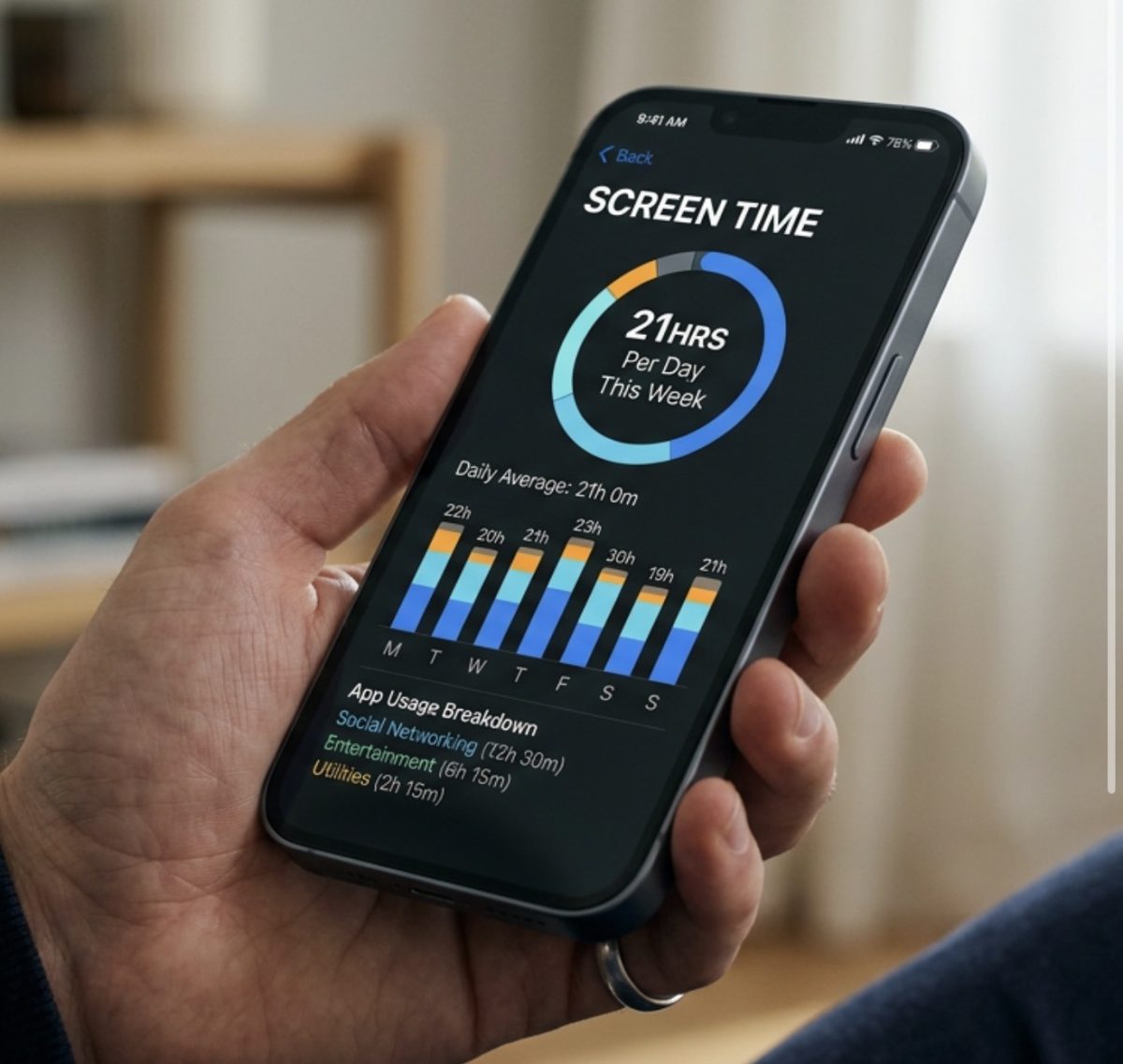
People don’t just go online. They live there. And when everyone can broadcast what they think without credentials or accountability, it’s never been easier to confuse having an opinion with having a qualified one.
Instead of engaging with art and culture on its own terms, self-proclaimed critics default to bandwagon reasoning. If enough people agree, it must be true. And they frame their groupthink as objectivity.
The engine behind this is simple: echo chambers.
When someone finds an online space where they feel welcome, they don’t blink. But before they know it, the algorithm has boxed them in and they usually don’t even realize it happened.
People like the way familiar sentiments hit the ear. They think the internet is just on their side most of the time, that they’re usually correct. But that’s dangerous.
The most visible version of this is the “manosphere,” a network of online spaces that recycle misogynistic and “alpha-male” content. Its reach among teenage boys has drawn particular scrutiny as surveys show a rightward shift in young men’s political views.
That rhetoric spreads through ordinary users who fancy themselves critics, people who settle into spaces where everyone agrees with them. It narrows their view of the world so quickly and so quietly that the regurgitation of popular opinion starts to look like valid critique.
Not only do these people’s experience on the topic amounts to leaving a comment on a Met Gala dress reveal or sharing a reaction to an Onion article. They’ve committed the cardinal sin of not thinking for themselves, even if they think they are.
The clearest evidence is in review-bombing and review-boosting, the practice of flooding audience review sections with coordinated praise or condemnation. It’s where self-qualified critics thrive.
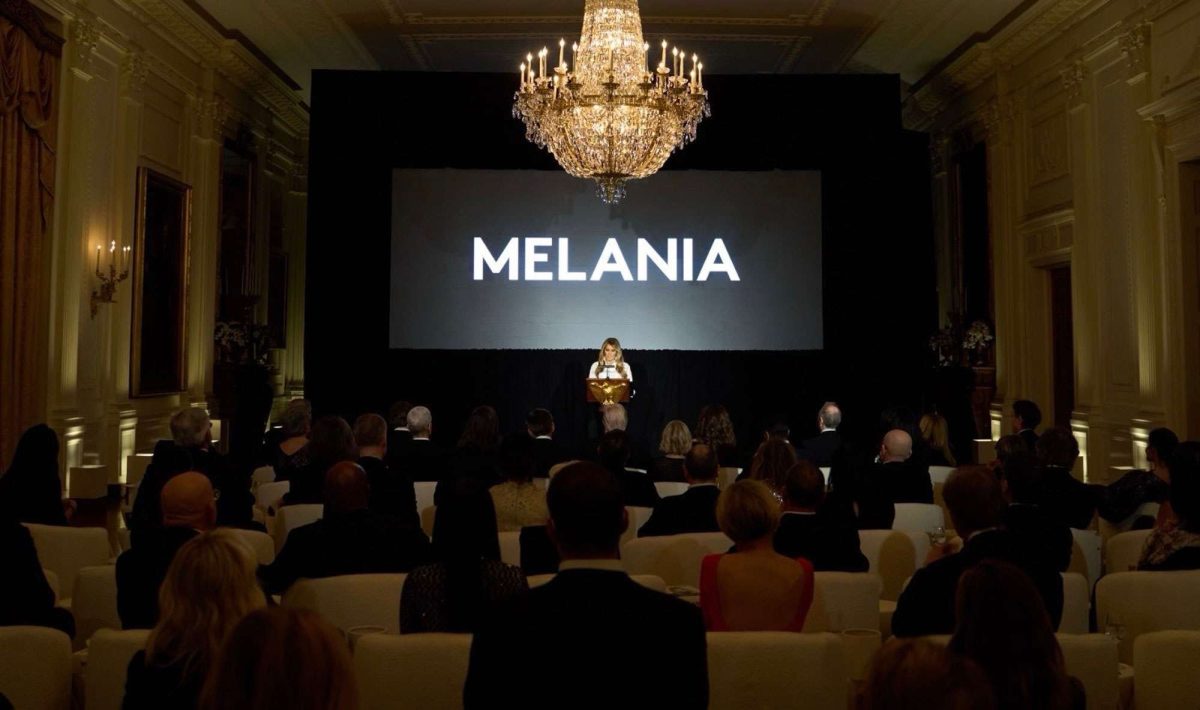
Take Melania Trump’s documentary “Melania.” Critics gave it a 5% Rotten Tomato score. Audiences gave it a 99% on the Popcornmeter. That’s not a difference of opinion. A gap that wide is a symptom of something else.
The documentary’s scores reflect the national divide between Democrats and Republicans and the echo chamber each side inhabits online. What critics described as propaganda, audiences described as revealing – with positive self-reviews flooding in from conservative users recycling the same talking points that dominate their feeds.
Self-qualification may be the most absurd gift the internet has bestowed onto society. It’s made everyone a critic, and in doing so, threatens a profession that people once dismissed as unnecessary.
Critics aren’t losing their jobs because someone posts a hot take. It just makes it harder for them to do theirs.
For all their reputation for negativity, critics are the only people who are paid to assess cultural value with training, standards and accountability.It’s their livelihood if they don’t.
Critics have blind spots. Political biases, a tendency to value artistic ambition over entertainment value, the pressure to write extreme take for clicks are all extreme flaws. But they don’t invalidate the principle that trained judgment, even imperfect, beats crowdsourced groupthink.
A diversity of opinions does matter. But when the noise reaches a cultural cacophony, it drowns every voice, valuable or not.
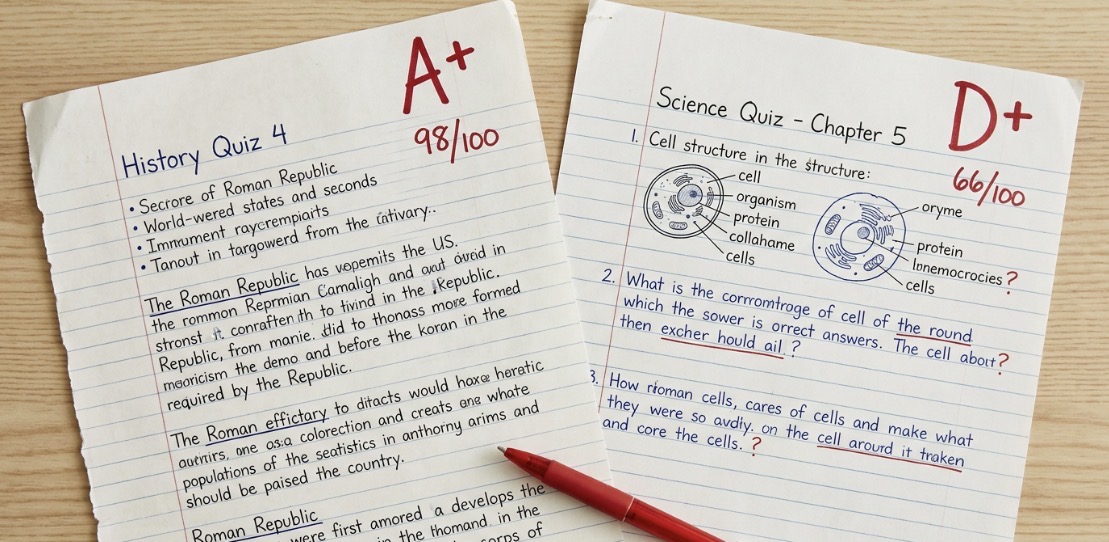
Critics may seem like the person whispering that you can’t enjoy something. But with critical thinking in decline and literacy rates eroding, they couldn’t be more necessary.
The algorithms behind social media apps are a root cause. By prioritizing “user-relevant” content around the clock, they don’t just curate a feed. They shape how people think by narrowing what they see.
Don’t let the algorithm think for you.
You’d think that unlimited access to information would make people more curious, more open. And in some ways, it has. But exposure doesn’t equal receptivity.
People pick a side based on whatever they stumble on first and stick to it. And turning off comments is only a Band-Aid.
No one should feel entitled to speak with authority on something they only vaguely understand just because the internet lets them.
This matters for high schoolers especially. Teenage options travel fast on social media, where hot takes become wildfires before anyone stops to think. And there isn’t an adult alive who wants to be held to what they believed when they were 16.
Being silent is a skill, and in this much noise, it’s a statement. Everyone should have a voice. We just don’t need to hear them all the time.
This article originally appeared in the Early Spring 2026 print edition.