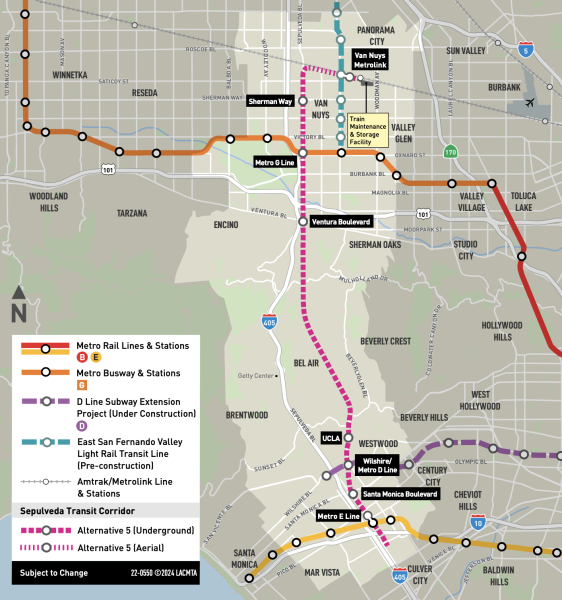
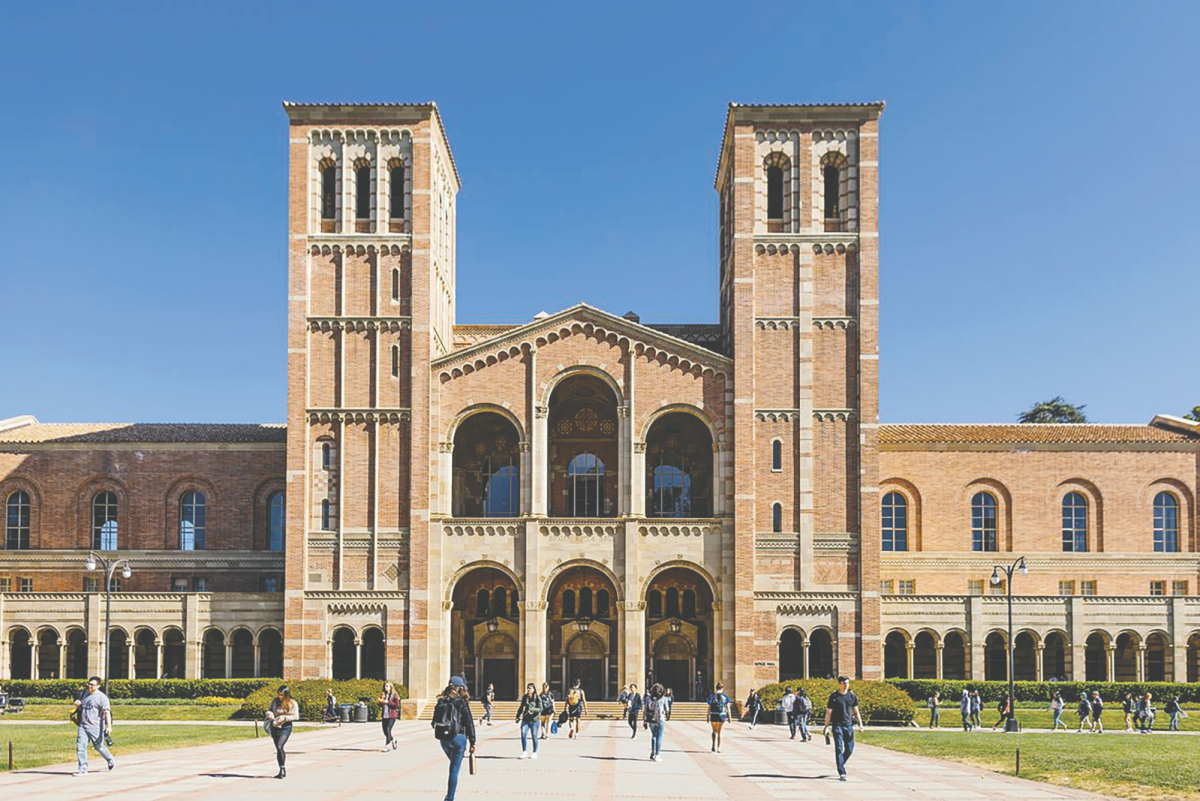
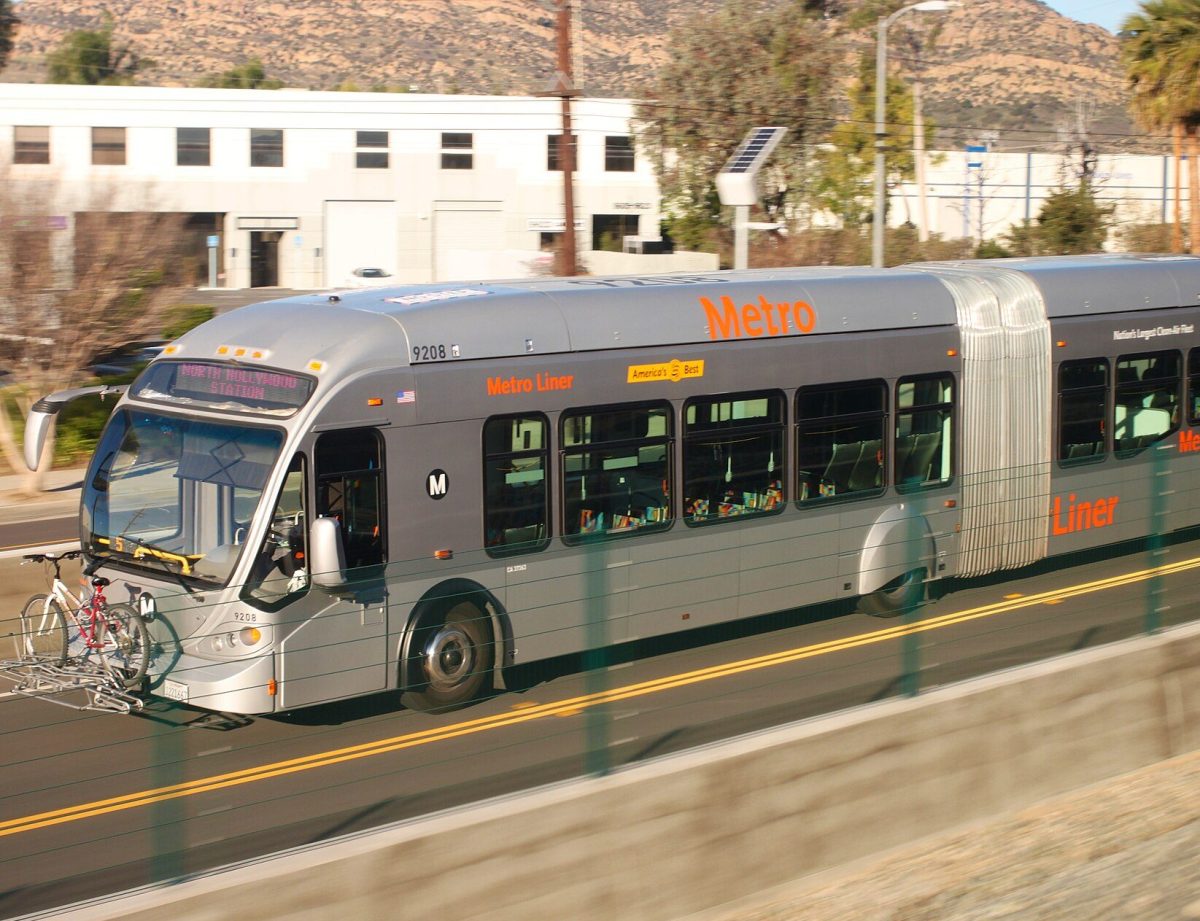
One of the seven planned stops on Los Angeles’s new subway line will be at Van Nuys and Oxnard Boulevard, about 1 mile from Van Nuys High School. The Los Angeles Metro Board voted unanimously last January to approve the underground line, which would connect the San Fernando Valley to UCLA in under 20 minutes.
L.A. Metro says the subway line will run for about 13 miles, starting near the Van Nuys Metrolink station near Woodman Avenue and ending near Sepulveda Boulevard south of the Santa Monica Freeway on the Westside. Metro says the ride to UCLA will take less than 20 minutes.
As of right now, students in the San Fernando Valley can take over an hour to get to UCLA by bus or car. This new subway could make the trip much faster. However, it will not open until at least 2033, meaning most students at Van Nuys High School today will be in college or beyond before they can ride it.
For Freshman Anderson Navidad, the subway’s value is real even if it arrives too late for him personally.
“It’s disappointing that students now will likely be out of high school when it comes out, but it will be better for the future students,” Navidad said.
The 405 freeway through the Sepulveda Pass carries around 400,000 vehicles a day, according to Metro. A typical drive from Van Nuys to the Westside can take anywhere from 60 to 90 minutes, depending on traffic conditions. Metro estimates the new subway line will serve about 120,000 to 124,000 riders daily when completed. The project is estimated to cost approximately $24 billion, although that number could still change as design work continues.
At Van Nuys High School, the new subway is already coming up in conversations about college, according to college counselor Jo Duke.
“I think that for the students who get accepted to UCLA, it is going to be amazing,” Duke said. “It’s going to be a huge difference because the drive is awful.”
Transportation problems are already shaping decisions for some students.
“When there’s no transportation, I think kids end up taking classes online instead of in person because getting to classes is tough,” Duke said. “It limits your ability and opportunities to get involved in clubs or other activities.”
Metro has not set a firm opening date for the project. A Metro spokesperson said that following the board’s approval of the underground route, the agency will now move into final engineering and environmental studies. Metro said the project could be between 2033 and 2035, but that depends on completing the environmental review and securing additional funding.
Funding for the full project has not been secured. Metro has identified funding from Measure M, a half-cent sales tax approved by LA county voters in 2016, among other sources, but the agency says additional state and federal grants will be needed to cover the full $24.2 billion cost.
Not everyone welcomes the project. Bob Anderson, vice president and transportation committee chair of the Sherman Oaks Homeowners Association, has raised concerns about the project’s massive price tag and the lack of a clear plan for the remaining billions in funding.
According to Valley News Group, Anderson has called on Metro to explain where the remaining funding will come from and what the financing costs will be for taxpayers. He said the public does not need every financial detail, but does need a clear sense of how the project will be paid for.
Metro approved an amendment at the January board meeting to increase community outreach as design work moves forward. The agency said this will help it address neighborhood concerns about tunneling and costs before construction begins.
“It’s weird to think that I’ll be like 22 and out of college by the time this actually opens,” Charles Hansen, a freshman on the baseball team said. “But it’ll be cool to have a station right here.”