At first glance, it seems like Roblox’s new age verification update was a beneficial step towards keeping underage users safe online. While the goal of this age-specific chat ban was to prevent children from meeting online predators and being exposed to inappropriate content and language, it ended up causing more harm than good, especially if you consider its failure to keep children safe online.
Roblox’s age verification update, which launched globally in January of this year, determines your age based on a brief scan of the user’s face.
Based on estimated age, it gives users the ability to chat with their categorized age groups – players get put into categories of 5-8, 9-12, 13-15, 16-17, 18-20, or 21+ – while taking away the ability to befriend and chat freely with all players.
However, the lack of thoroughness and accuracy put into verifying users’ ages destroys the whole purpose of the update. Very quickly, users found ways to exploit and workaround the system.
The fact that no legal documents or variations of ID are required or accepted initially to verify age just makes it easier for children to pass as adults, and unfortunately, vice-versa.
Children can now freely use any picture of an adult’s face and use it as their own to bypass the age verification – that childlike determination to play Roblox should not be underestimated.
By being put into an older community, minors are more likely to be further exposed to mature content like inappropriate language and violence that now, is even harder to regulate in supposedly adult-only spaces.
However, this bypassing of the system goes both ways.
Even worse than children sneaking into adult servers, adults can now freely use random photos of children’s faces to get into minor-only servers. For online predators, Roblox didn’t take away the ability to chat with children, it just made them go through an extra step to continue talking to and preying on children.
But despite the fact that people can purposely use random images to get into the wrong servers, there is also a fat chance that Roblox’s face scan will misplace you even while using your own face.
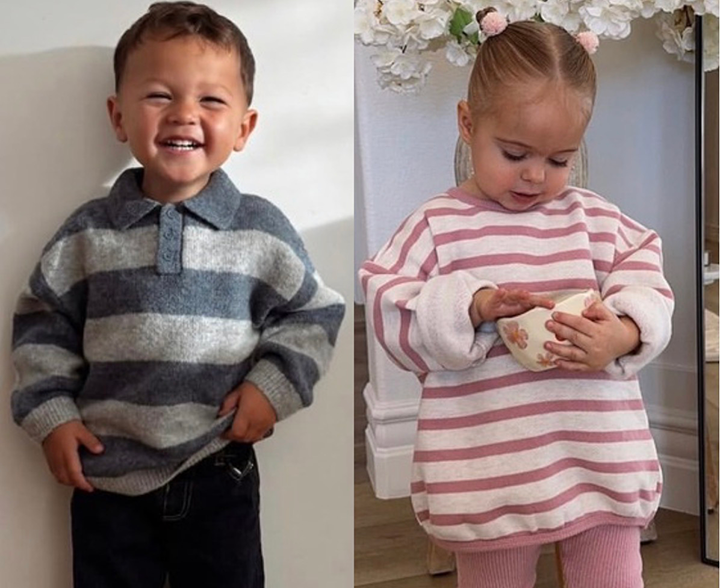
The inaccuracies facilitated by Roblox’s face-scanning system can be attributed to its usage of poorly trained AI. The AI Roblox uses doesn’t fully consider factors like how some people can appear older or younger than they actually are – the most prominent examples are classic “babyfaces” and poorly lit environments that contribute to the miscalculation of age.
The technical bugs and workarounds present in the face-scanning system not only do nothing to protect minors from online threats but they also hinder the Roblox experience of fully-grown adults and ultimately adds a huge problem across the entire platform.
Clearly, Roblox didn’t think their update through thoroughly enough. This is most prevalent in user communication. Despite varying age groups and categories, users can still be placed into servers with people of all ages while simultaneously being locked out of communication with most in the server.
It makes no sense to continue letting players in the same servers if they can’t even interact with each other which, even if ultimately implemented, would birth entire new issues of separation of platform on the foundation of age.
The cracks of the update start to show themselves even more on the technical side of Roblox gaming.
Communication plays a key role in various games like murder mysteries or group games, trading games and study games where gameplay is actively inhibited for users. This includes some of the most popular games like “Flicker” and “Adopt Me.”
Now people are unable to play these games without the necessary communication, letting hundreds of games plummet in plays and fade into obscurity, now impossible to play.
Destroying a platform seems to be a worthy cost to protect children but in the face of such miserable disaster and failure at even that aim, there’s no winning.