Traditionally, classwork is given on paper and students are expected to do their notes and homework subsequently. But nowadays, teachers are getting all too familiar with assigning more of their assignments online rather than the tried-and-true paper work.
So much so that the amount of digital work being forced onto students is creating an unhealthy imbalance between computer screens and pen-to-paper.
The covid-19 pandemic played a huge role in the normalizing of this kind of schoolwork.
During the shift from physical to digital learning, navigating platforms like Google Docs and Schoology became absolutely necessary — the Zoom form of learning didn’t accommodate the distribution of solid, reliable paperwork for the students.
But even after the pandemic passed and hybrid learning became the new normal, teachers continued to assign needless online work.
This coincided with the introduction of personal Chromebooks in middle and high schools, while elementary schools also had students complete work through tablets. This resulted in both teachers and students becoming all the more familiar with online work, then opting to ditch the traditional methods for the convenience of take-home laptops.
The digitization of education also stretches far beyond essays becoming pages of Google Docs and virtual exams. Most AP and SAT exams are now all online, many trading in pens and paper for more face time with Chromebooks.
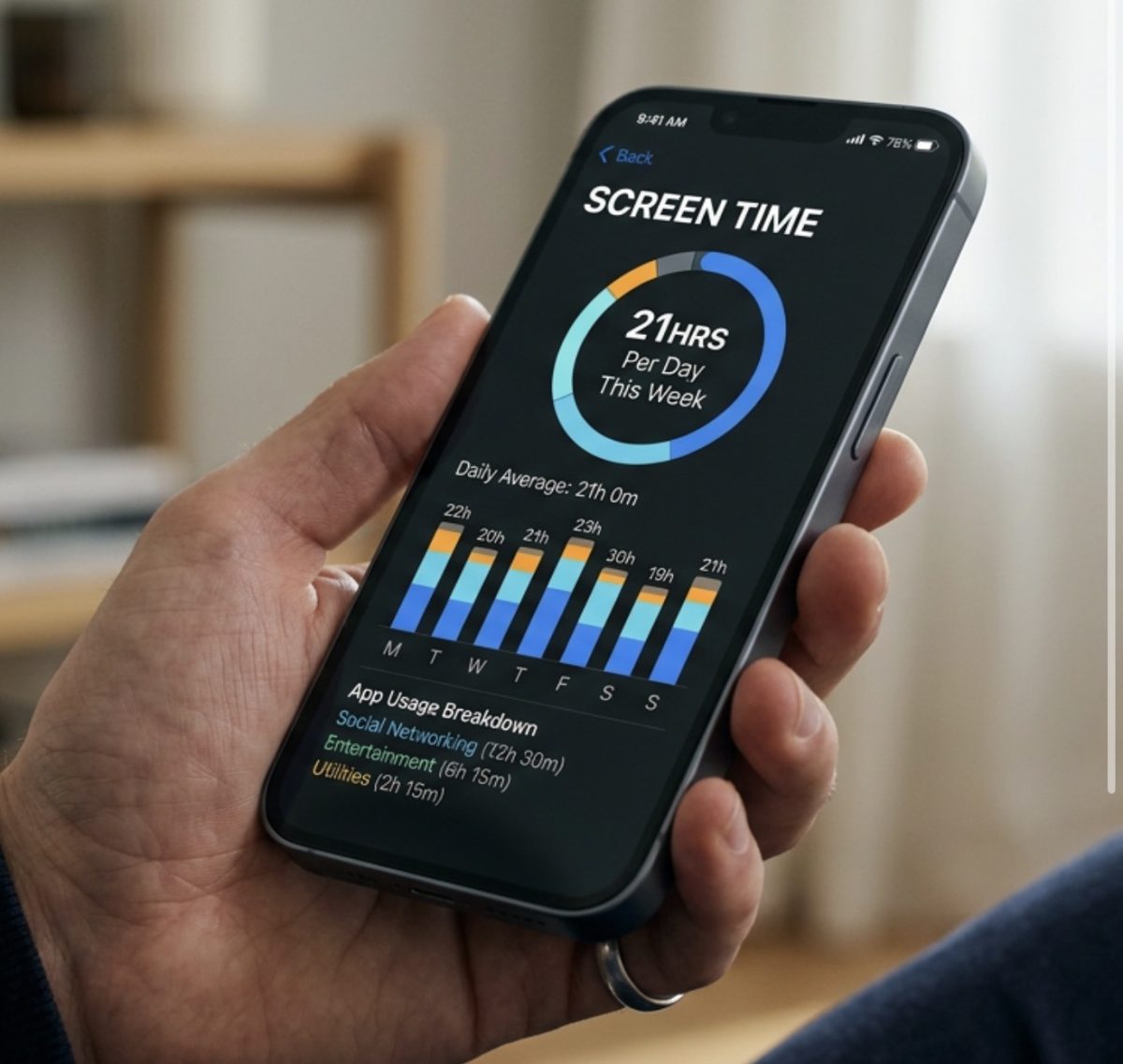
This convenience is not lost on most — it makes assignments a lot easier, but it’s not for the better. A bright screen that you’re forced to stare at for hours at a time just to maintain good grades becomes not just tiring, but utterly draining.
One of the most common problems students face with having all of their work online is the constant strain on the eyes and the various effects from the blue light screens.
The effect of blue light goes further than just painful headaches and eye issues. It can lead to wrecking the sleep schedules of teenagers who need their rest. Blue light is a primary inhibitor of melatonin, which trips the sleep cycle and makes teenagers more susceptible to waking in the middle of the night.
Most teachers may view the increase of digital work as something beneficial for their class because it’s less time-consuming to do work. It also makes saving assignments and expanding resources easier.
But while that’s true, many teachers don’t see the full negative effects of excessive screentime on their students. Students need a balance between online work and traditional work. Many don’t want to have to do everything through their devices and they shouldn’t have to.
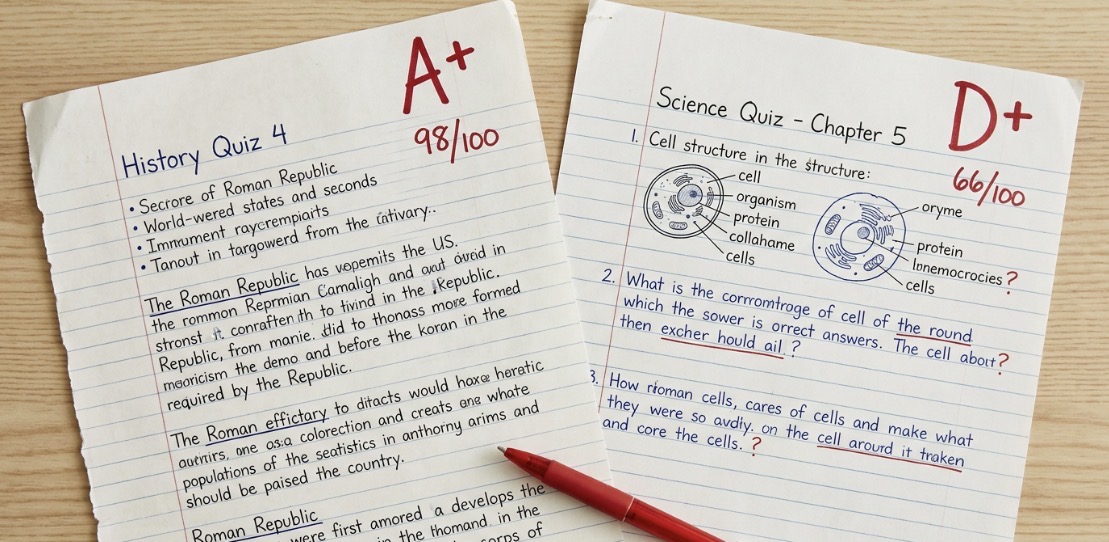
A principal consequence of the transition to digital work is the ability of students’ handwriting. Instead of practicing their penmanship constantly, students are relegated to relying on their keyboards. For instance, the cursive writing skills that kids learn in elementary school all go down the drain because middle school and high school teachers do not enforce it, instead promoting MLA format and the like.
Students enjoy the few benefits of online work just as much as teachers, but a better balance between traditional work and digital work is also worth exploring. A balance means using traditional paper work and using screens when the benefits clearly outweigh the cons. If the education system keeps on promoting this extreme, heavy-handed digitization, their students will crumble under the overexposure to something that only harms them in the long-run.