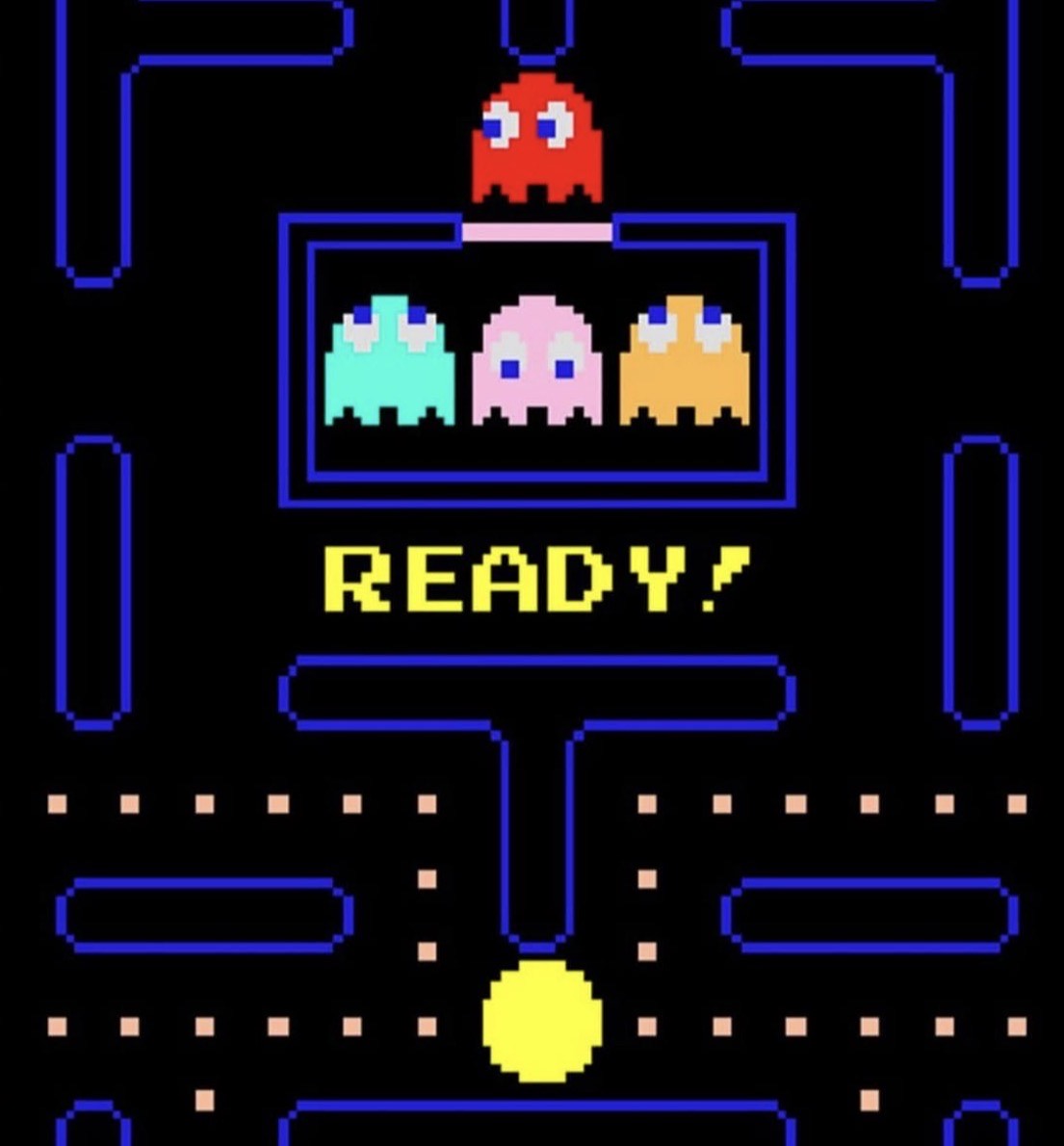
Video games have changed a lot. 8-bit graphics were once blocky and simple just a few decades ago with iconic games like “Pac-Man” and “Tetris.”
They used to be only about reaching a simple end goal, even that was made more difficult in cases like “Castlevania.” In the past, their simplicity could be credited to the fact that the medium was all it allowed.
With the rapidly-advancing technology available to developers, games have become more expansive than ever. Games like “The Last of Us,” “Red Dead Redemption 2” and “The Legend of Zelda: Breath of the Wild” show just how big games have gotten.
With an entire fleshed-out world available to players at the mere cost of some storage files, and with technology only advancing further — highlighted by the Nintendo Switch 2 console, which sports faster and smoother frame rates — the medium of interactive media has outdone itself.
This ambitious trend of grand-scaled games began in the 1990s when CDs and 3-D games pushed limits and produced games like “Final Fantasy VII” and “The Legend of Zelda,” pushing what their file sizes dictated what their games could be.
The scale of these games hasn’t sabotaged their stories either. It’s actually allowed them the luxury of powerful storytelling once unheard of for games.
Movies, on the other hand, are getting more expensive at the cost of earnest stories.
The business of Hollywood peaked its revenue at the end of the 2010s with box office smashes like “Avengers: Infinity War” and “Avengers: Endgame” raking in more than $2 billion.
Superhero movies weren’t always the most creative or original, but their spectacle drew audiences into theaters like never before. In a twisted way, it signaled that audiences preferred grandness over story.
But then the entire world, and especially movie theaters, felt the impact of the covid-19 pandemic.
While the film industry came out relatively unscathed, the industry of in-person film viewings didn’t bode as well. The pandemic combined with economic stress in the United States basically dug the grave for an already-dying industry. Both movie studios and theater businesses were banking on raking in solid cash.
Remakes and sequels that are successors to proven box-office smashes are being slapped onto the silver screen no matter how sloppily or chaotic the movie really is — a name is the best marketing a movie can have. “Inside Out 2” and “Moana 2” are the most recent examples of such lackluster sequels.
The way the industry is going, it feels like big-time movie producers have run out of ideas. When there’s nothing new or interesting happening in theaters and people have to commit upwards of $100 in one trip to the movies for a ticket and snacks, it doesn’t seem to be worthwhile.
Streaming apps like Netflix, Disney+, Hulu and Amazon Prime Video were supposed to be the cheaper option, but at the moment, it’s not much better. Subscription prices have skyrocketed in tandem with general inflation and people are basically obligated to have a roster of apps just to watch what they want to watch.
So alternatives start looking more appealing. Some find the original stories they crave in the form of a $60 investment for hours worth of media: a video game.
The rapid development of the medium has made video games extremely palatable, allowing people to make choices in games and explore them at their own pace. It’s not just about sitting down and playing it, it’s about the immersion provided in the expansive stories video games are now able to tell.
It’s not that video games are an innately better form of telling stories and entertainment over films. They simply happen to be the medium which is more consistently pushing impressive works forward.
Even though both industries are practically thriving, one uses their success to build upon technology and stories while the other regurgitates what they know works.