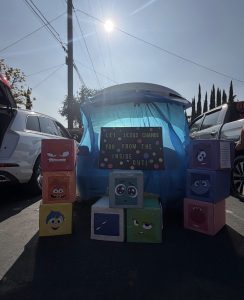
Every Halloween, kids go out on the town to trick-or-treat — at least, they used to. Fewer kids than ever go trick-or-treating and instead opt for trunk-or-treating. Instead of going door to door, families choose to go to parking lots full of cars giving out candy. In light of this reality, it’s clear that the Halloween magic that kids used to wait the entire year for is gradually fading.
The American Halloween staple, trick-or-treating, is all about walking ar
ound local neighborhoods, seeing cool house decorations and interacting with people’s own communities.
In more recent years, however, eager candy-givers who stake out on their
front porches have found that those once bustling streets have go
ne empty and silent — they’d be lucky to hear a streetlight flicker.
All those kids who would once fill the streets now pack into parking lots or schools like sardines, highlighting how trick-or-treating is falling out of favor.
There are a few reasons trunk-or-treat has come out on top against trick-or-treat. For one, parents probably aren’t amused by the idea of taking their children walking for hours around their neighborhood just for their children to stuff their face with candy. But an even stronger reason is that parents don
’t know what is in their children’s candy that strangers give out.
If parents opt for trunk-or-treating, they at least won’t have to rummage through candy to check for razor blades or drugs.
Even though trick-or-treating is all about bringing communities together, the truth is that communities couldn’t be further apart. The concept of neighbors is so foreign that most people don’t even want to ask for a cup of sugar — it’s much the same with candy. The previous familiarity of the community is gone.
By that line of reasoning, it makes sense that trunk-or-treating has become a more convenient, albeit more distantly affable, option for Halloween.
But trunk-or-treat doesn’t really represent the true spirit of Halloween.
Pumpkin spice and an apple candle aren’t substitutes for the autumn feeling that so many people relish in — instead of ending off the prime of fall with trick-or-treating, it’s now ending in a whimper.
Trunk-or-treating might be nice but it’s taking away the heart of Halloween. It doesn’t foster any connections between communities and over-emphasizes candy as opposed to what Halloween is supposed to be about.
Trick-or-treating is certainly less safe than the convenient trunk-or-treating event, but it’s situating families between a rock and a hard place.
But that dilemma isn’t exactly Halloween-specific. Communities need to prioritize connection in a world that benefits off of self-serving individualism. Not everyone in the world is bad and the likelihood of a neighbor being the devil is lower than one would expect.
Children deserve to experience the thrill of dragging their feet behind them with a bag of candy thrown over their shoulder for every Halloween. For their sake, people need to choose to make their communities a more trustworthy and safe environment.
-
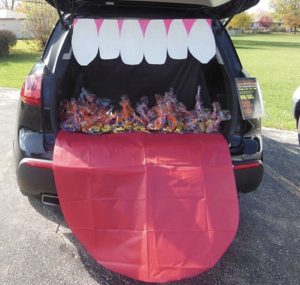
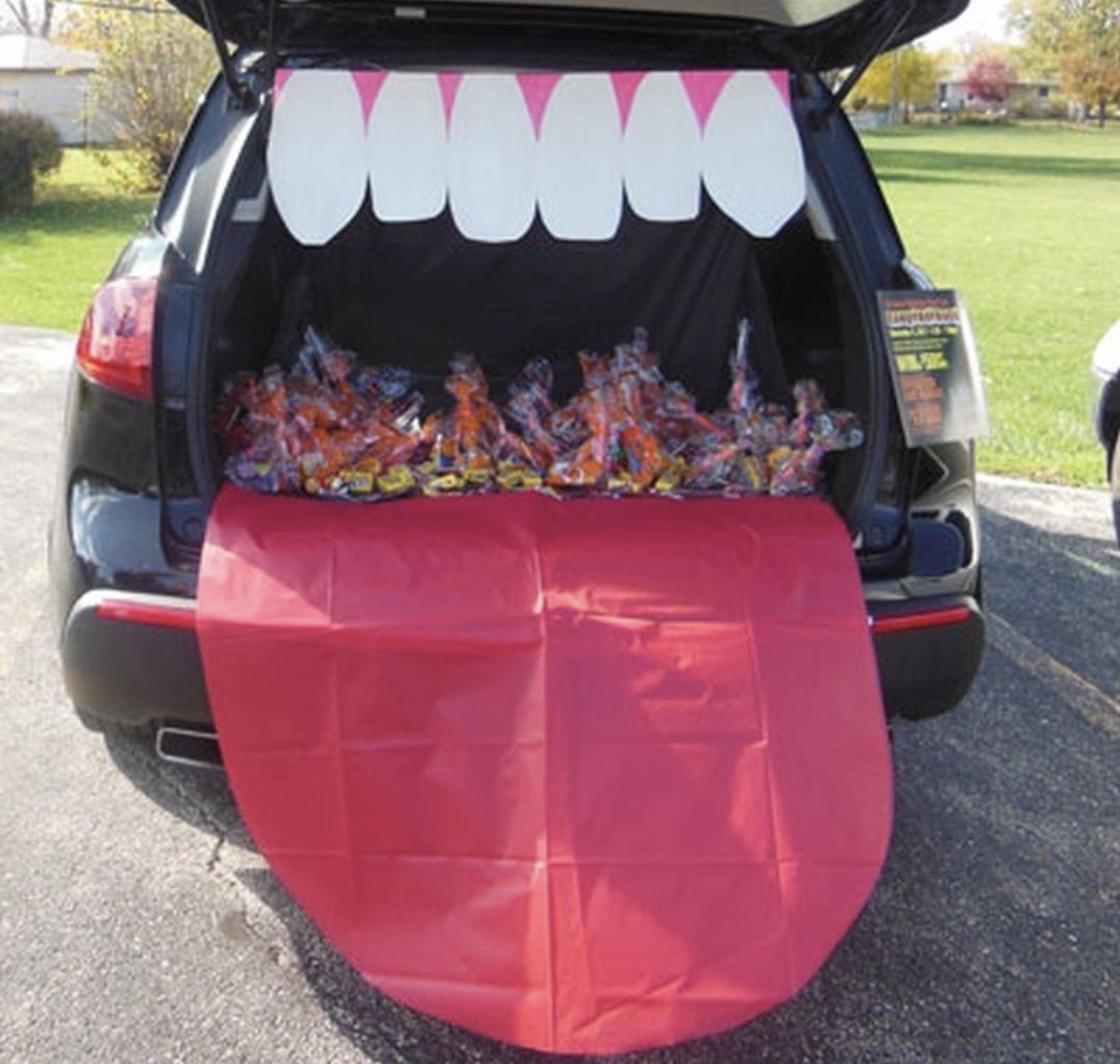
Decorated car trunk with a silly tongue and sweets at a community trunk-or-treat Instagram | @howdoesshe
-
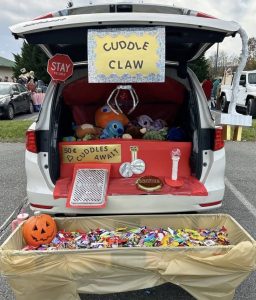
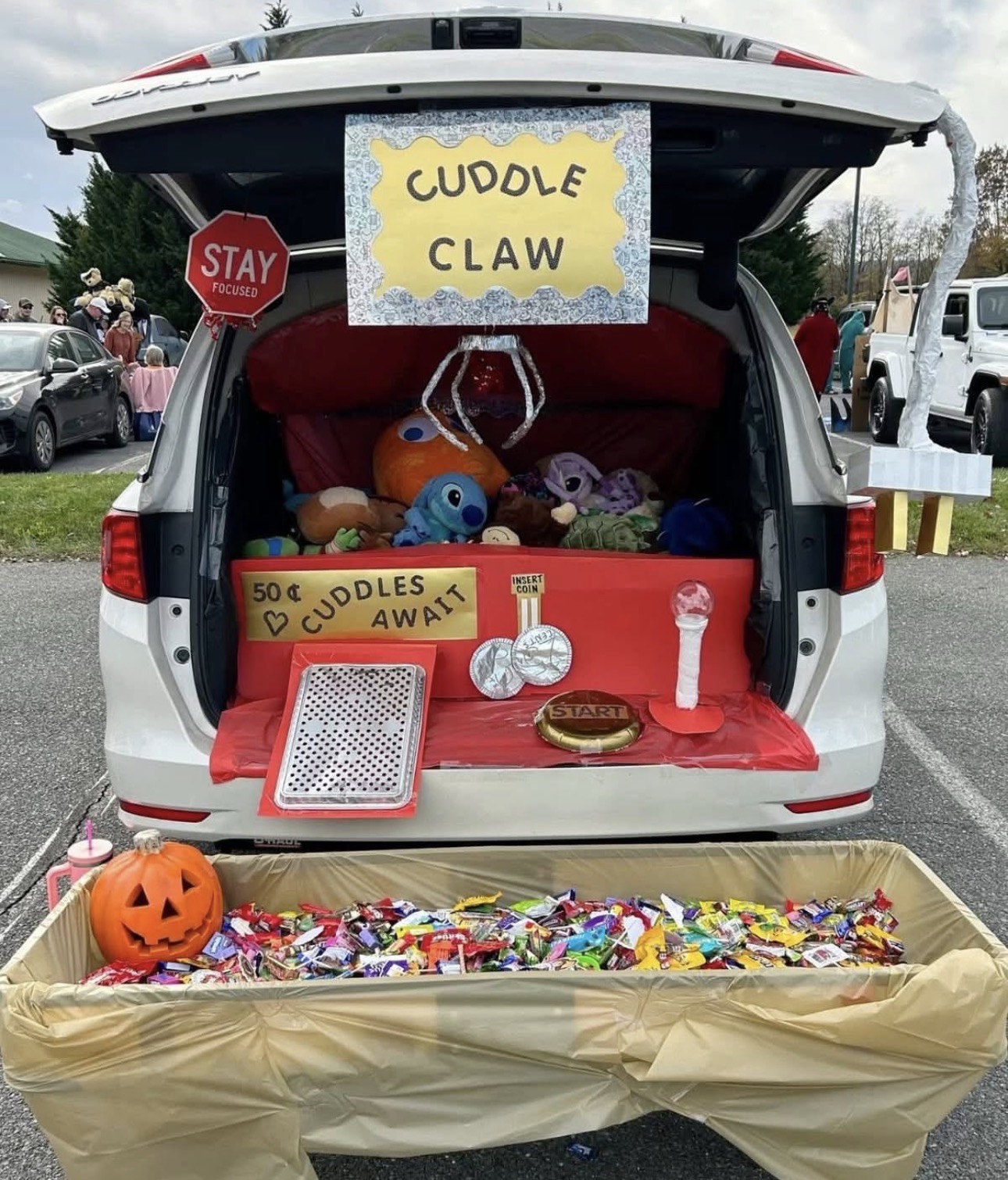
“The Cuddle Claw” is ready for kids to grab sweet treats for trunk or treating for Halloween Instagram | @mzkris2678
-
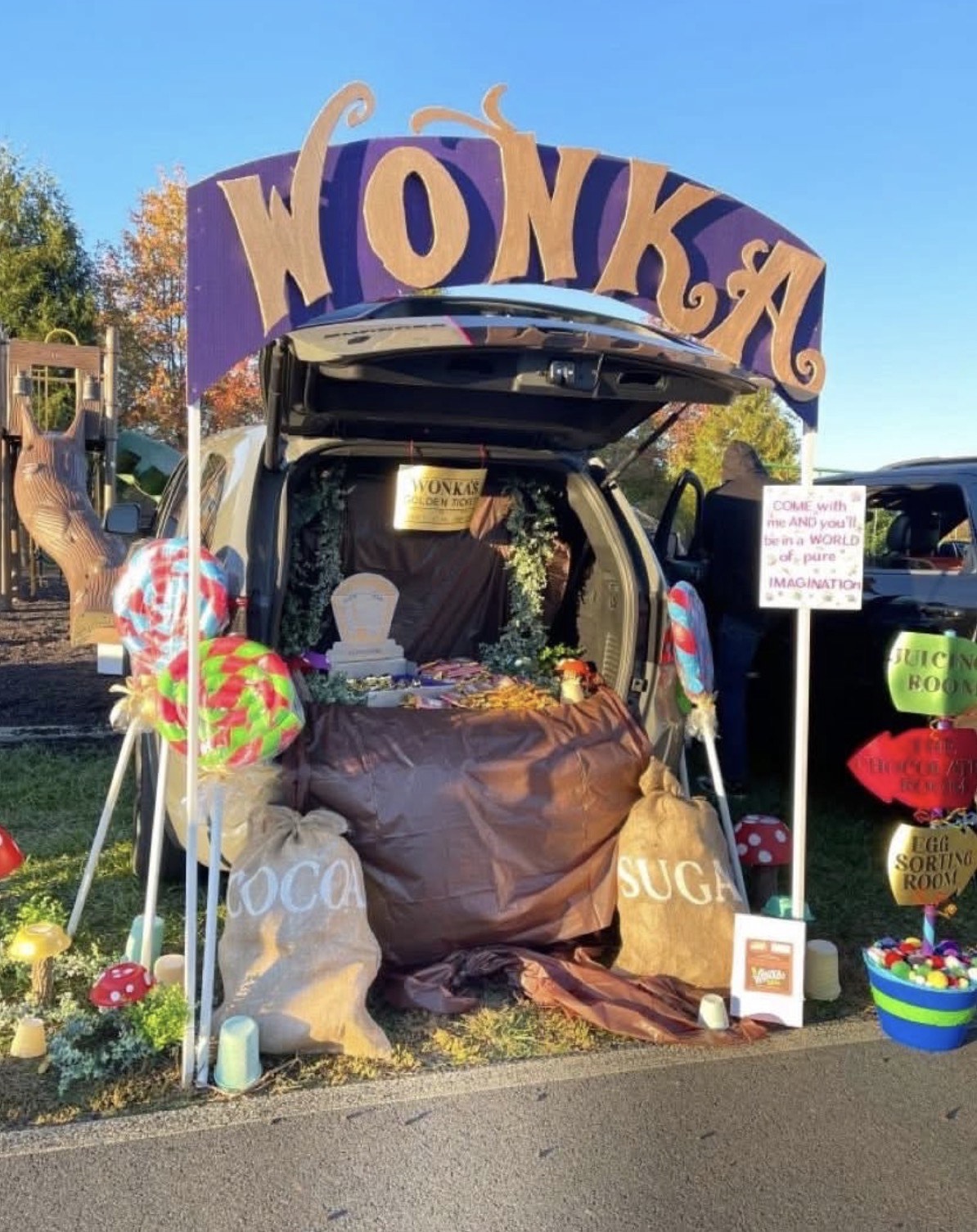
The real-life chocolate factory with extra sweet & sour options for trunk or treating Instagram | @mzkris2678
-
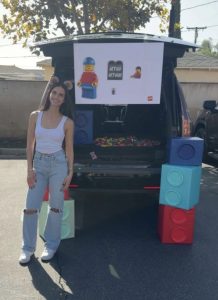
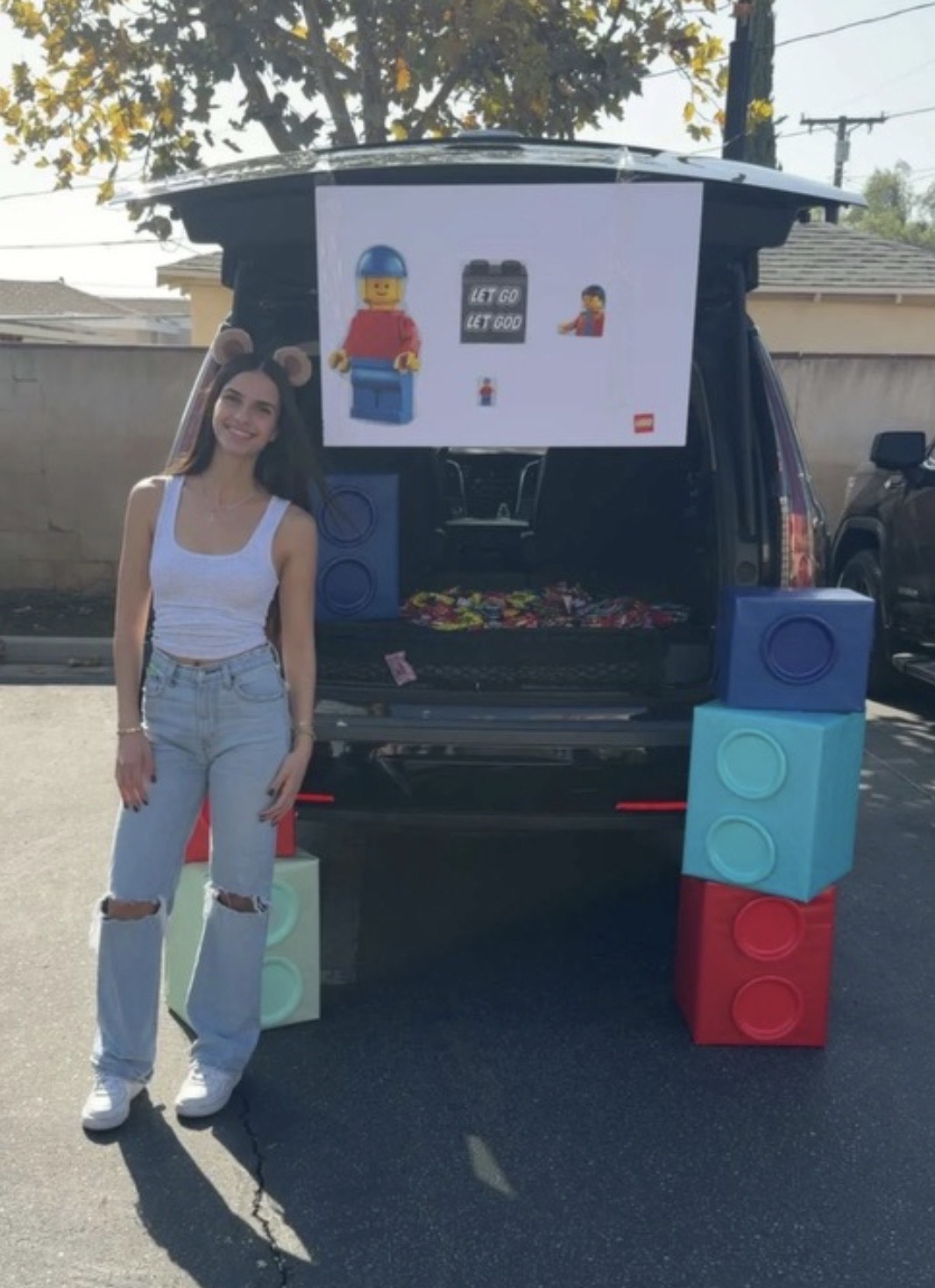
Sunday School teacher Sandy Durra decorates her car for trunk or treating to pass a message onto kids walking by
-
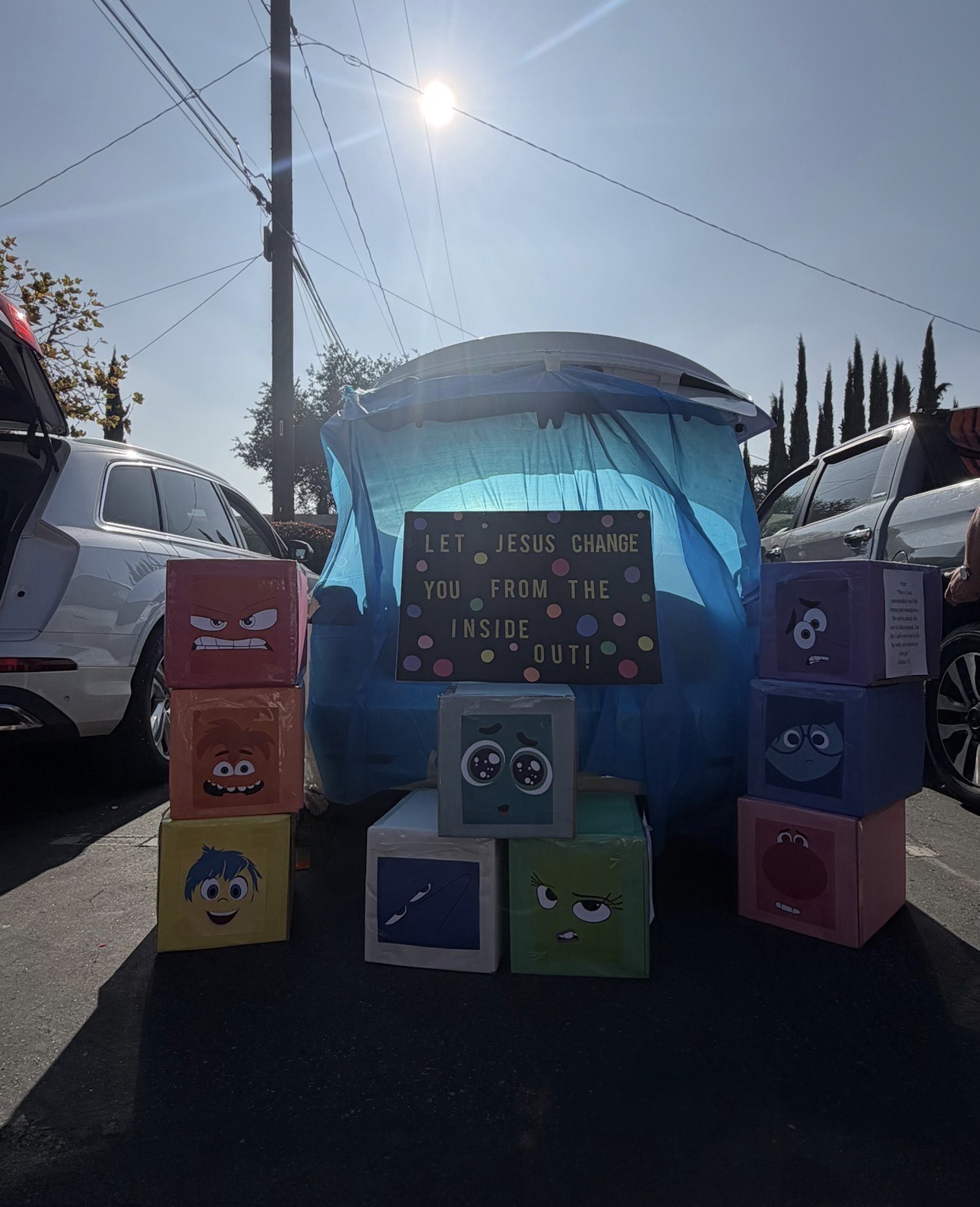
Using the popular movie Inside Out, Sunday school teacher Mary Durra sends message to children trunk to treating