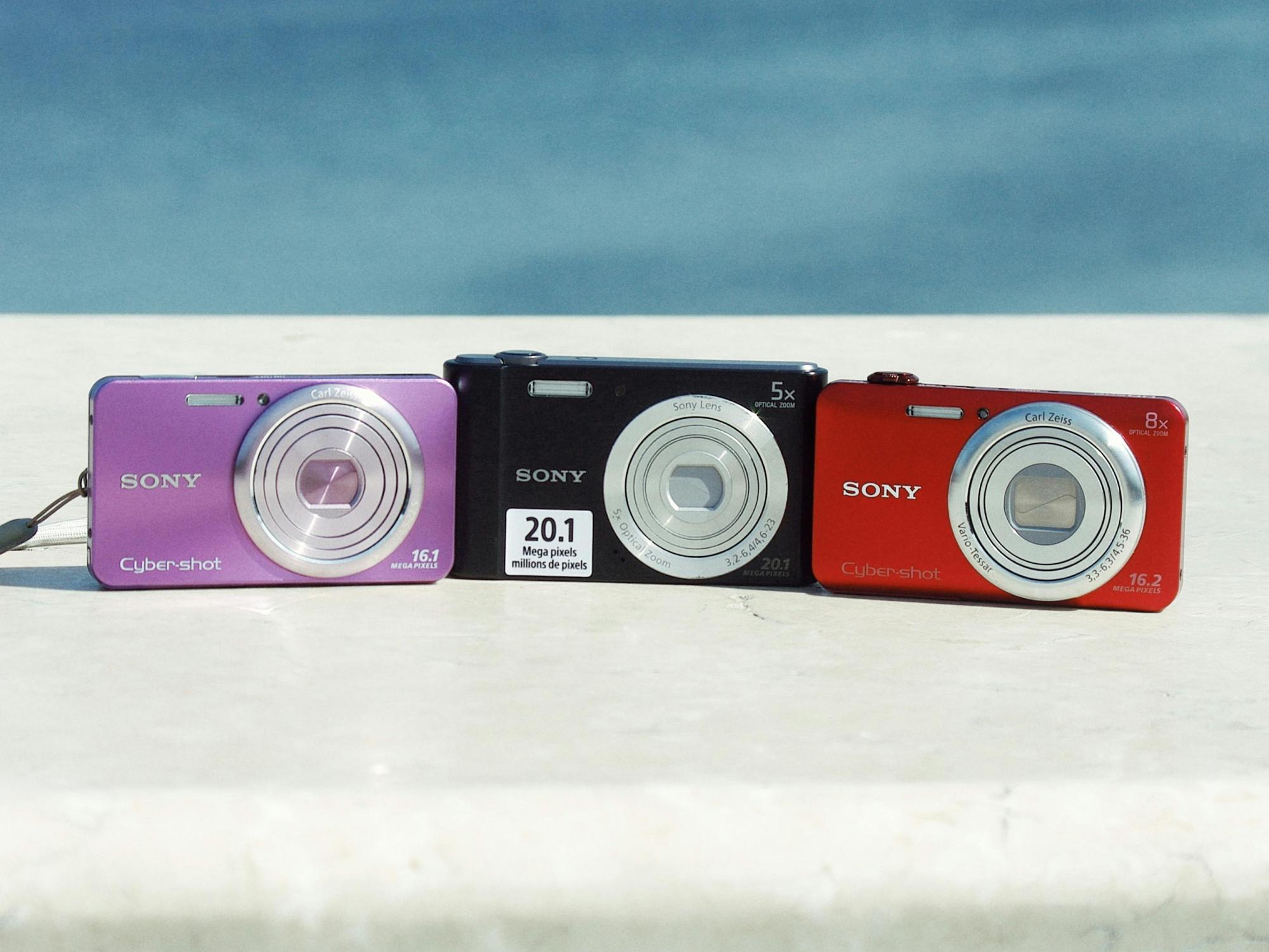

The camera app on your phone is powerful. It can zoom from hundreds of feet away and produce studio-quality portraits with a single tap. Yet for many teens, something essential is missing: aesthetics.
At lunch on a sunny and relaxed afternoon, Maddy Mills pulls a 2000s-era digital camera out of her backpack and points it across the table. No posing. No countdown. The shutter clicks, and Mills’ friends lean in to see the shot on the tiny LCD screen: a half-laughing portrait, slightly overexposed, with the light of the sun blowing out the background into a warm blur. It looks nothing like a phone photo. That’s the point.
The image is grainy, the colors slightly muted, the focus soft. On an iPhone it would be a throwaway. On Instagram, posted from a digital camera, it’s exactly the aesthetic Gen Z is chasing: imperfect, unfiltered, real.
The camera app on your phone is powerful. It can zoom from hundreds of feet away and produce studio-quality portraits with a single tap. But for a growing number of students, that polish is the problem. They’re reaching for digital cameras instead, trading technical precision for something phones can’t replicate: the feeling that the photo is honest.
Gen Z is chasing a look phones struggle to replicate: slightly grainy photos, muted colors, soft lighting and candid smiles over technical perfection. It’s more about feeling real.
“I use my digital camera because I feel like it gives us a better authentic picture of what’s going on, rather than having our phones out all the time, which takes us out of the moment.” says senior Danica Manarang, who prioritizes the feeling and look of a digital camera rather than the usual online choice, “It’s more memorable.”
Smartphones, for all their advanced technology, often produce images that feel over-processed. In response, many teens are turning to digital cameras, drawn to their subdued tones and imperfect charm. The goal is authenticity, not flawlessness.
“I prefer to use a digital camera because it feels very personal and nostalgic,” junior Maddy Mills said.
That sense of intimacy is what attracts many other “digi” users as well.
The resurgence of interest in digital cameras aligns with the comeback of early-2000s fashion and culture. Low-rise jeans, flip phones and bedazzled Uggs are being modernized and digital cameras are no exception.
“It makes the lighting better and a digital camera really brings out all of the color in pictures compared to an iPhone camera,” Mills said. “It’s more practical, but doesn’t have anywhere near the same qualities a digital camera possesses.”
This shift is happening as social media feeds dominate, influencers edit their photos beyond recognition and the rise of AI makes it harder to tell what’s real at all.
The result is a digital space where authenticity feels rare.
Dr. Alexandra Hamlet, a psychologist at the Child Mind Institute, warns that this environment can damage a teen’s self esteem.
“With makeup, with retouch, with filters, with multiple, multiple attempts, it’s almost like you’re never going to stack up,” Hamlet wrote on Childmind.org. “And that is where I think it gets dangerous.”
Nearly half of teenagers say social media has a negative effect on their lives, according to a 2025 Pew Research Center survey.
When a teenager chooses a digital camera, it’s for more than just vibes. The blurs of the shot and the out-of-focus picture provide authenticity in a world of edited frames.
Those pictures feel like a more genuine way of documenting your life, and it’s a way of life many are now adopting. For students like Mills, the pictures feel like a more genuine way of documenting life.
So, the overpowering lights of the sun or a grainy outtake in a candid photo could mean the difference from an over-produced snapshot, and a real, genuine moment with the people you love, captured digitally on your tiny LED screen.
This article originally appeared in the Early Spring 2026 print edition.