
Last summer “Apple” by Charlie XCX blasted from car windows, phone speakers and pool parties across the country.
The hyperpop beat, with jittery synths layered over a pulsing base line, became the soundtrack to every TikTok video, friend hangout and moment that felt like peak summer. The internet declared it BRAT summer, and for once, everyone seemed to agree on what song defined the season.
This summer? Silence. Or at least a lot of noise with no clear winner.
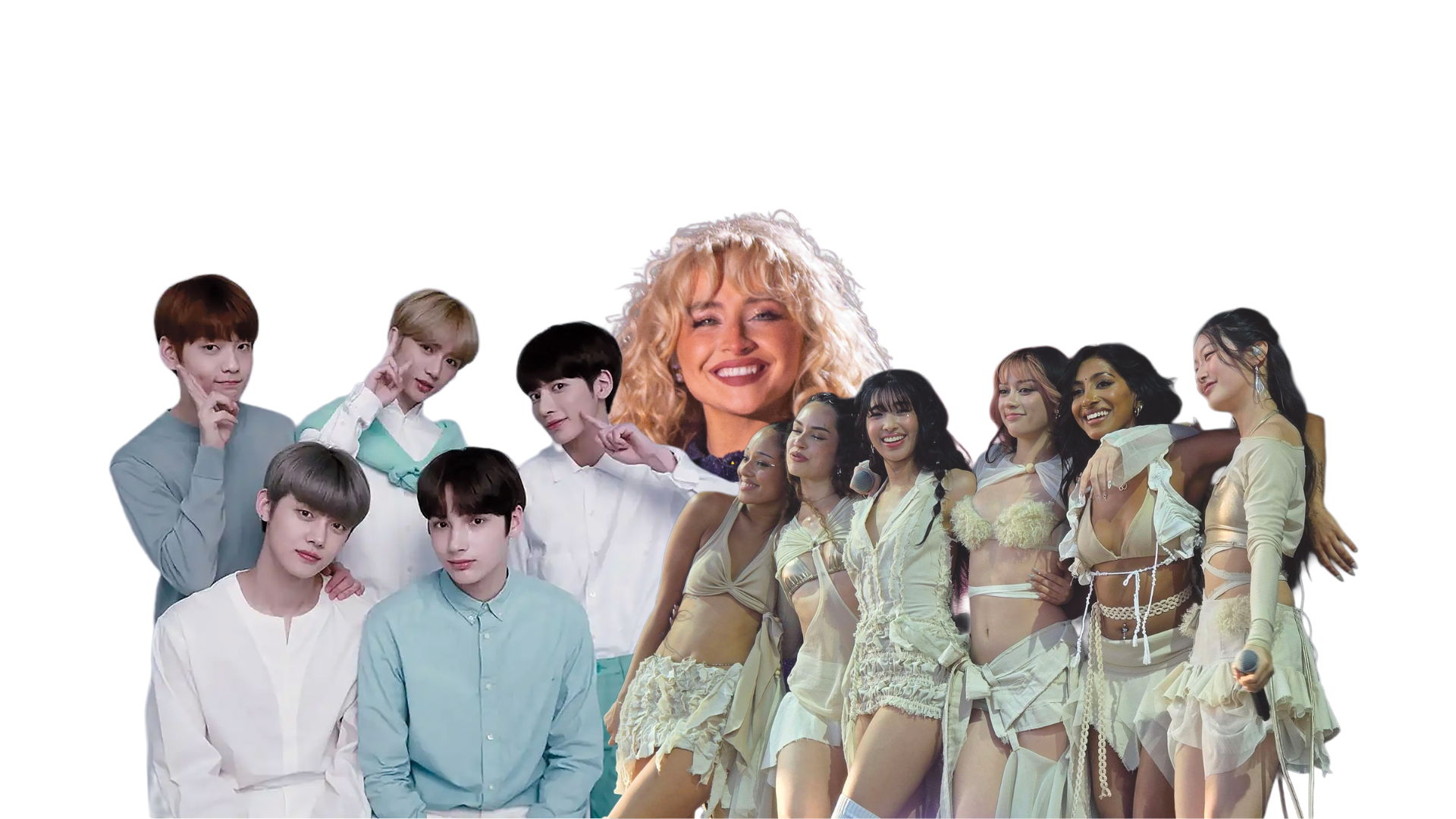
From Sabrina Carpenter’s pop hits to K-Pop groups like KATSEYE and TXT, artists released plenty of music this summer. But despite all the releases, no single song captured the cultural moment the way BRAT did last year.
From Lorde’s alternative album “Virgin,” Sabrina Carpenter’s pop-princess release of “Man’s Best Friend” and K-Pop groups like KATSEYE and Tomorrow by Together (TXT), everyone began to predict what they thought was going to be the anthem for their summer break.
Last year, Charli XCX released her album “BRAT,” which dominated the internet. The album’s tracks, with club-ready beats, raw synths and unapologetically messy lyrics about partying and self-doubt, felt like the perfect soundtrack for a generation trying to have fun while everything felt chaotic.
Fans quickly coined the term “BRAT Summer” as the Apple dance went viral on TikTok and tracks like “360” and “Von Dutch” soundtracked everything from beach trips to backyard parties. The album’s neon green cover became instantly recognizable, plastered across social media profiles and merchandise.
Sophomore Inaya Loox remembers participating in that huge trend last summer.
“I listened to her on the radio, and I definitely did the Apple dance,” Loox said. “She got huge because of it.”
That hype was lost this summer.
After BRAT summer, Charli XCX’s tour came and went, and the public moved on. No phenomenon has captured the cultural moment the same way BRAT did, leaving a void in the summer soundtrack.
Maybe a new artist would step up with another club classic. Maybe Drake or Nikki Minaj would make a comeback. Charli XCX even announced that 2025 would be a “Lorde Summer” when finishing her set at Coachella this past April, raising expectations.
But Lorde’s “Virgin” album came and went, and nothing was a standout hit.
Junior Leo Gragnani struggled to name any prominent summer hits this year.
“Maybe Sabrina Carpenter? No one really had a song of the summer but ‘Manchild’ was close,” Gragnani said.
While “Manchild” was popular and was belted from the mouths of teenage girls around the world alongside Carpenter’s previous hits, it only reached number 9 on the Billboard charts this summer, which did not match the cultural domination of last year’s “BRAT.”
According to that same chart, Billboard announced that “Ordinary” by Alex Warren was the top song this summer, followed by “What I Want” and “Just In Case” by Morgan Wallen.
But these chart toppers don’t seem to reflect what most people were actually listening to. Few students at school could even name these, let alone sing along to them. The disconnect between Billboard’s official rankings and what people actually consider the song of the summer reveals something bigger: the fragmenting of musical culture.
This change in how people experience music comes from the rise of streaming platforms like Apple Music, Spotify and Amazon Music. These platforms offer personalized song choices and curated vibes, keeping everyone’s summer soundtrack different.
Artists used to release their music strictly by dropping CDs and records. Fans would line up for hours outside record stores because it was their only way to get their hands on new music.
Now, tracks are available instantly on streaming platforms. New music constantly floods into the ears of millions, making it harder for any single song to stand out.
In the first quarter of 2025, Spotify saw a record-breaking 678 million monthly active users worldwide. Apple Music subscriptions also increased from 2024 to 2025, going from 88 million subscribers to 93 million in just a few months. More people are streaming than ever before, but that means more listening habits are becoming increasingly varied.
Infinite access to unlimited music can influence what music people listen to. Instead of being limited to the radio or select CDs, listeners can skip across genres or enjoy an entire discography for just a couple dollars a month.
Junior Amelia Probst’s listening habits show how streaming platforms influence the artists she listens to every day.
“Without streaming services, it would be harder for me to find musical artists I like as a whole, rather than just enjoying one or two songs that I hear out and about,” Probst said. “My favorite bands would likely no longer be my favorite bands.”
Because music taste is now much more spread out across genres and artists, the overall perception of music is less centered around a single song. Everyone’s preferences are more individualized. No single hit can satisfy all listeners.
The rise in streaming platforms has made the song of the summer concept feel like a relic of the radio era.
Maybe another BRAT Summer will come along and unite everyone again. Or maybe the shared soundtrack has been replaced by millions of individual playlists, each person experiencing summer through their own algorithmic lens. The question won’t be what the song of summer is, but whether we’ll ever have one again.
This article originally appeared in the Fall 2025 print edition.