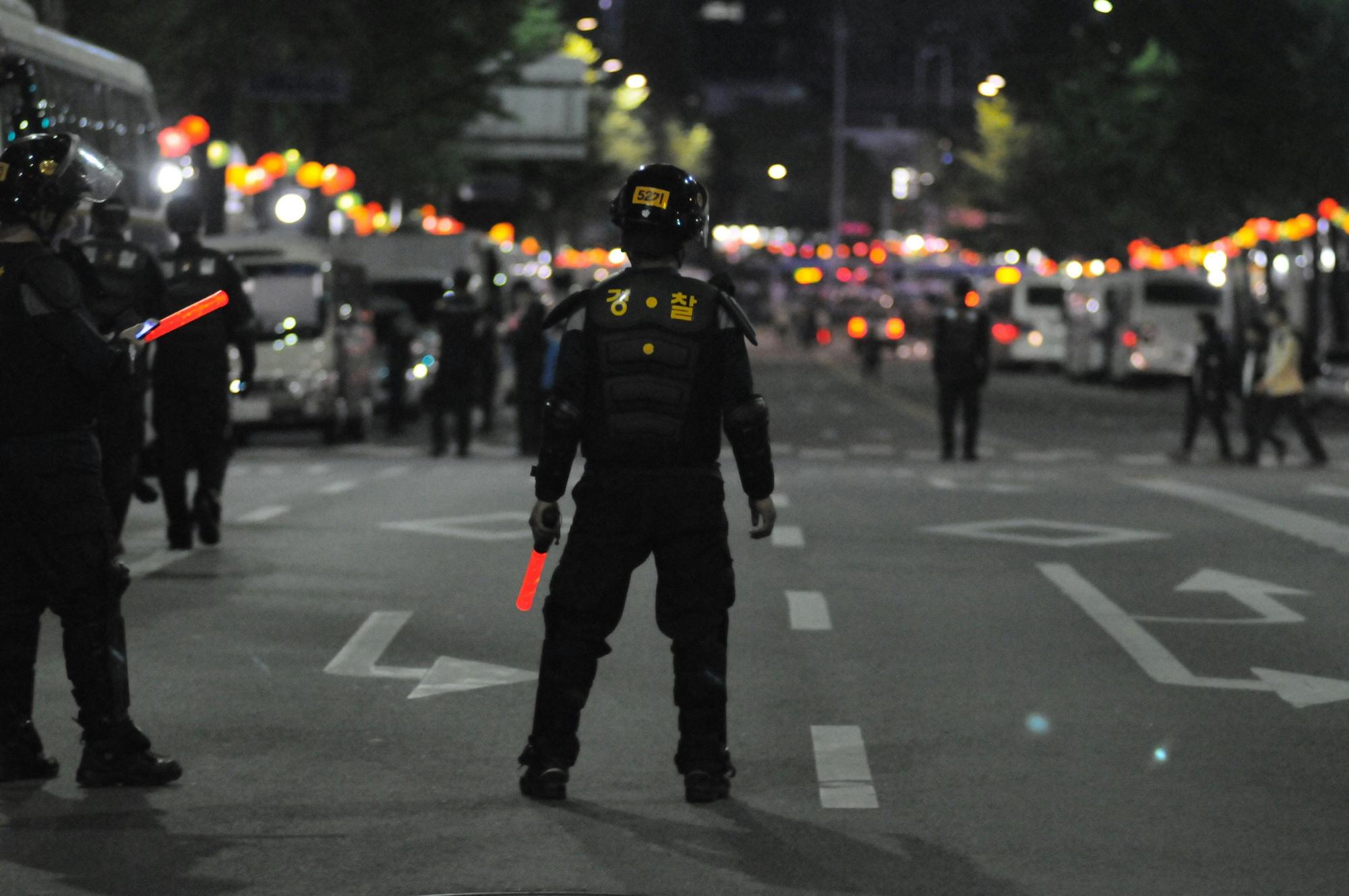

We’ve all seen it.
In the wake of the Black Lives Matter protests following the death of George Floyd in May 2020, the slogan appeared on television, signs at rallies and social media.
In recent years, the call to defund the police has sparked important conversations about social justice and public safety.
The movement advocates for a reallocation of police funding to community services that address the root causes of crime. It calls for more than just reducing police budgets, emphasizing a reflection on how America’s public safety systems may be faulty.
The most prevailing misconception about defund the police is that it’s solely a cry against deep-rooted racism in police departments.
While it’s true that one goal of the movement is minimizing social injustice, it more broadly aims to enhance community well-being by implementing effective change with decreased police involvement.
Police often perform jobs they aren’t intended to do, responding to calls ranging from annoying neighbors to mental illness, domestic disputes and homelessness. According to the Vera Institute of Justice, an average of 62.6% of 911 calls involve situations with no clear safety concerns, while only 3% were related to violent crime.
The average policeman isn’t intended, and therefore isn’t properly trained, to handle such a wide array of situations. No matter how much funding police departments are provided, it’s unreasonable to ask police officers to become Swiss Army Knives for every possible situation.
While police could certainly be present on scene, the first responders to various community issues should include professionals best equipped to deal with them, whether that’s a psychotherapist assisting a mentally ill individual or a housing facilitator providing effective help for a homeless person.
Thus, it stands to reason that additional funding funneled into police departments that are expected to take care of issues beyond their capacity to help would go to waste.
Alternatively, investing in community programs and street outreach initiatives have proven to result in large reductions in crime. By tackling the underlying factors that lead up to crime, criminal activity is prevented before it even happens.
Critics argue that reducing police funding will lead to increased crime and public insecurity, but this view overlooks the reality that many communities, especially those with higher rates of people of color, are hurt by over-policing and develop a lack of trust in law enforcement.
A study by Gallup, a global analytics firm, revealed that 79% of white Americans felt their interactions with police for the year prior were positive. On the other hand, only 59% of Black Americans felt their interactions with police were positive overall.
Evidently, police presence doesn’t always equate to safety, and can instead heighten tensions and feed into cycles of violence and injustice.
Defunding the police is far from an anti-police stance. Many supporters agree that reform and funding reallocation of police departments to community-driven programs is the best path to increased public safety.
The defund the police movement calls for adjusting where resources are invested within communities in order to create a more just and safe society for all.