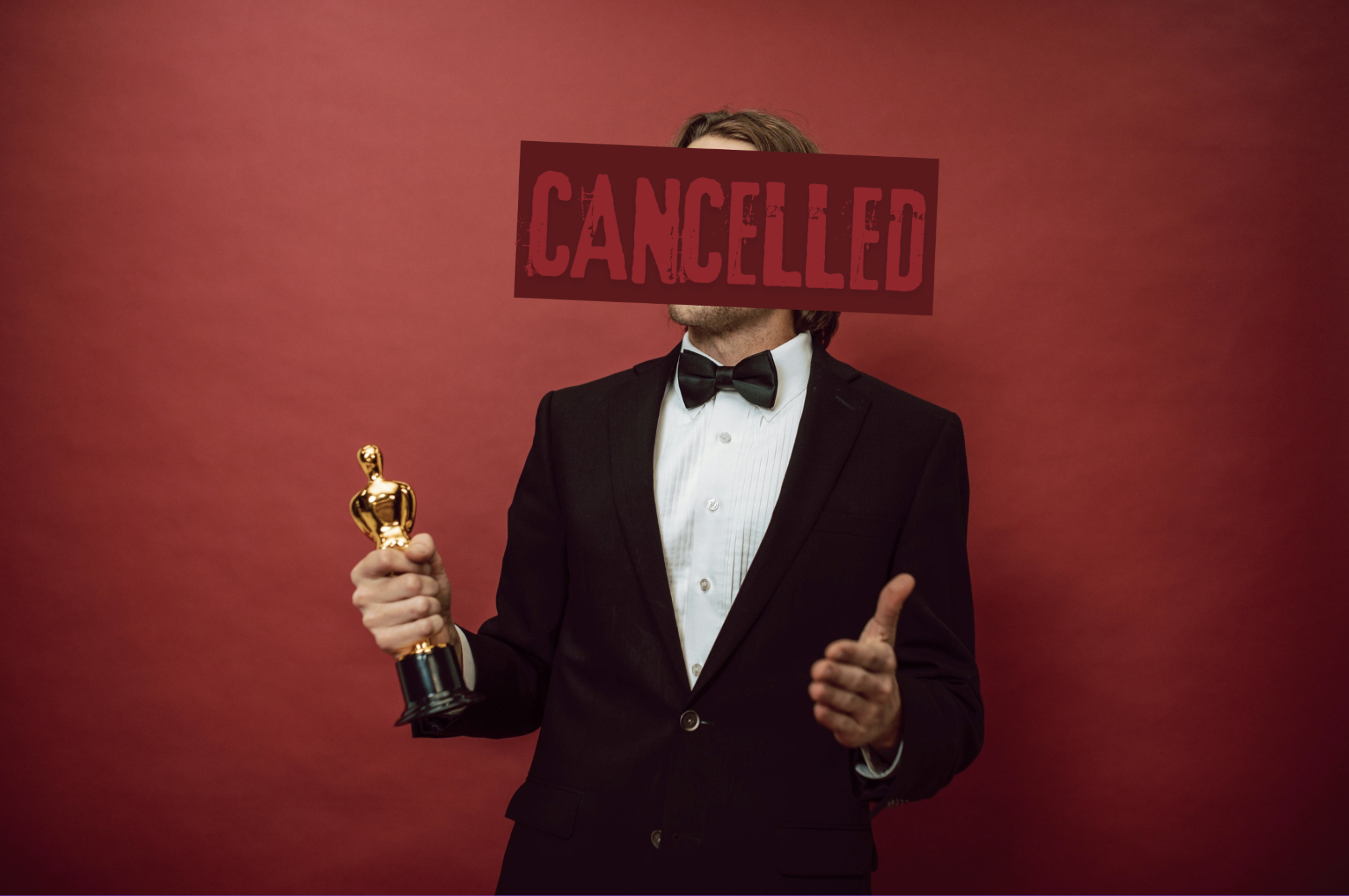

In the modern day, it seems like celebrities get canceled left and right: influencers, singers and even actors are under the watchful eye of the internet. “Cancelling” has never meant so much to the internet but so little to the masses. But in an era of contention, views, listens and the box office are the most important things to any big name.
“Canceling” refers to the internet’s collective agreement to forget about and clean itself of the stain of cultural heavyweights’ controversy, however small.
For better or worse, hordes of people and even fans are always eager to dig into the depths of the internet to find videos, photos and old tweets to get others in trouble.
Post-pandemic, the internet has become a hotspot of cultural-awareness, which for many who lived and thrived in a pre-pandemic world don’t appreciate.
It’s no secret that the culture has been through some questionable periods. For example, the mid-2010s – which seems to be a world away now – cancel culture was at its lowest, if not at a non-existent point.
Controversy was like a rumor – spread by the gossip pages but eventually faded out by circulating journalism.
The lack of accountability present in these eras that thrived on Tumblr highlighted some racist and homophobic tendencies that are all the more visible now. In the modern day, anything anyone has said or done is up for grabs and critique.
Now with the internet, rumors spread around the web in an instant and as soon as it reaches millions of views, it’s something to talk about, particularly more juicy if it’s worthy of “cancellation.”
The internet’s vested interest in the downfall of its celebrities already poses a question about how much the digital world classifies celebrities as humans worthy of privacy, but also of the disparity of cancellation effects in the media and in the real world.
In the media, cancellation results in basically mass avoidance. Streaming numbers go down, movies are tainted and familiar faces are met with a quick scroll past.
While certainly damaging to both a person’s reputation and career, the main justification is that someone who has done something to be cancelled shouldn’t have a platform anyways.
Similarities with how cancellation effects manifest in reality stop there.
In person, cancellation can go to two extremes: it can be ignored by those who don’t bother with social media or it can be enforced to dangerous new heights.
This can cause varying types of privacy problems. In-person harassment can result in a public figure’s safety being endangered by their address being leaked, or being ‘doxxed,’ can lead to physical violence against them or their families and can ultimately result in legal problems like lawsuits and restraining orders.
This becomes even more dangerous when it’s not adults who are ousted from the cultural mind but rather children or teenagers who can be harassed anywhere they go, even in places like school.
In 2025, cancel culture is at its peak. The cultural zeitgeist is well aware of what is right and wrong.
It knows that people need to be held accountable, especially celebrities who have big platforms to spread certain messages and ideas.
But just like any other widespread idea, its intention gets distorted at extremes. Despite what their names suggest, public figures deserve privacy just like anyone else. It doesn’t mean don’t hold them accountable but rather that it’s not okay to treat them like not only a person who can’t make mistakes but also an object who deserves to be harassed.
It’s a fickle message but it’s necessary to keep our culture on the upswing.
In an increasingly bleak-looking America, we need it more than ever.